Ways to Heat a House: Furnaces, Heat Pumps, Boilers and More Compared
Ways to heat a house compared: furnaces, heat pumps, boilers, electric baseboards and stoves, what drives running costs and which homes each one suits.
The two most common ways to heat a house in the U.S. are a natural gas furnace and an electric system such as a heat pump. The U.S. Energy Information Administration reports that natural gas was the main heating fuel in 47% of homes in 2024 and electricity in 42%, and it credits better air-source heat pumps for part of electricity's growing share.
Which one makes sense for you comes down to climate, the fuels you can get, whether the house already has ducts or radiators, and how long you plan to stay.
Ways to heat a house, side by side
| System | Upfront cost | Running cost depends on | Fits best |
|---|---|---|---|
| Gas furnace | Moderate | Gas prices, duct condition | Cold climates, homes with ducts and gas service |
| Air-source heat pump | Moderate to high | Electricity prices, climate | Most climates; homes that also want cooling |
| Geothermal heat pump | High | Electricity prices | Long-term owners with suitable land |
| Boiler or radiant floor | Moderate to high | Fuel prices | Homes with radiators, or new floors being installed |
| Electric baseboard | Low | Electricity prices | Single rooms, additions, mild climates |
| Wood or pellet stove | Low to moderate | Fuel supply, your own time | A supplement, especially where outages happen |
Furnaces: fast heat through ducts
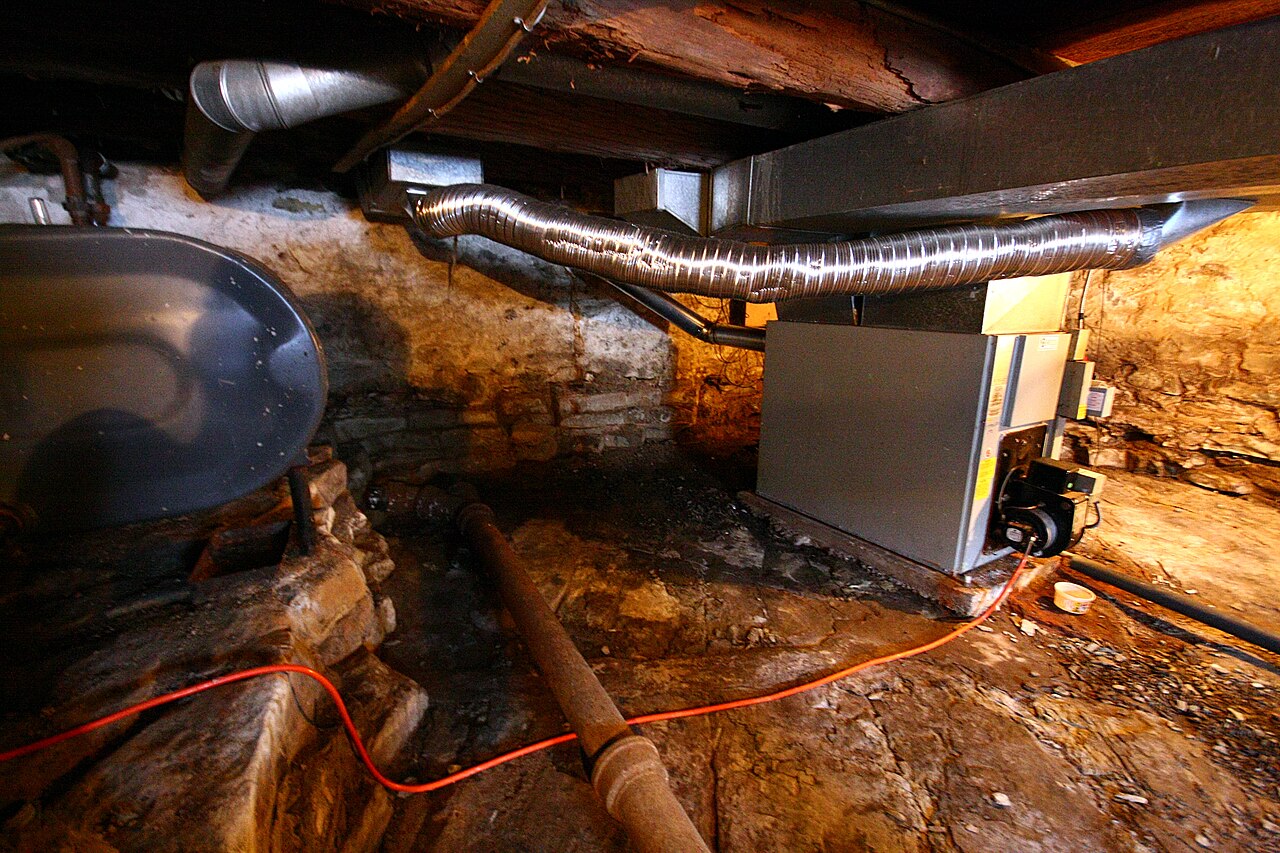
A furnace burns natural gas, propane or oil, or uses electric resistance, to heat air that a blower pushes through ducts. Furnaces are common largely because so many homes already have ductwork, and the same ducts can carry central air conditioning in summer.
Furnaces deliver strong, quick heat and handle very cold weather well. Their running cost follows fuel prices, and ducts that pass through an unheated attic or crawl space can lose a good share of that heat before it reaches a room. Any combustion appliance needs proper venting and a working carbon monoxide alarm nearby.
Efficiency is listed as AFUE. A 95% AFUE furnace turns about 95% of its fuel into heat for the home; older units can be far lower.
Heat pumps
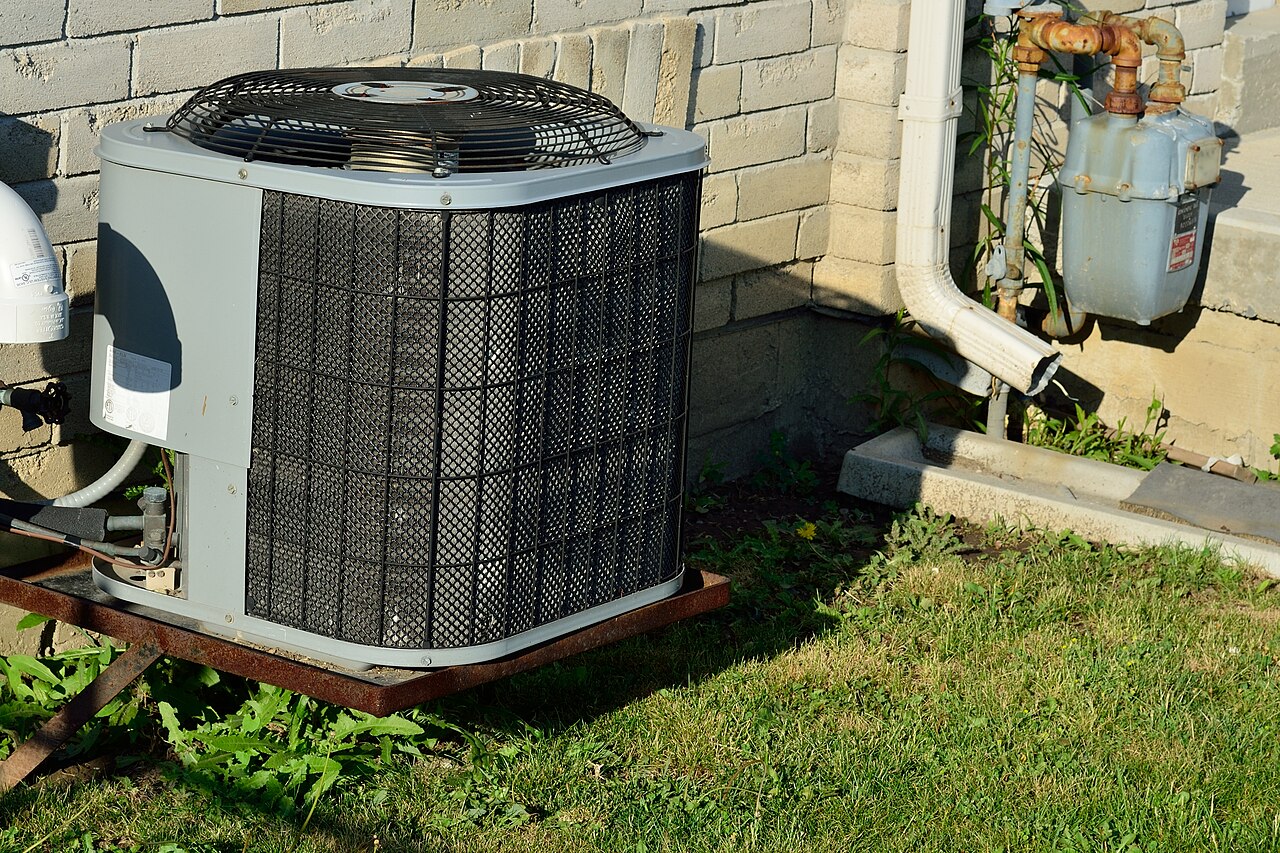
A heat pump moves heat instead of making it. In winter it pulls heat from the outdoor air or the ground and brings it inside, much like a refrigerator moves heat out of its interior. In summer it runs in reverse as an air conditioner, so one system covers both seasons.
Air-source heat pumps
The usual setup is an outdoor unit connected to existing ducts or to ductless indoor heads mounted on walls, often called mini-splits. Cold-climate models are built to keep heating well below freezing, although their output drops as the temperature falls, and some homes keep a backup heat source for the coldest days. Heating efficiency is rated as HSPF2 and cooling as SEER2.
Ground-source (geothermal) heat pumps
These systems run fluid through pipes buried in the ground, where the temperature stays fairly steady all year. They are very efficient to operate, but drilling or trenching makes them much more expensive to install, so they pay off mainly for owners who plan to stay a long time.
With either type, results depend heavily on correct sizing and installation. Running costs track local electricity prices, and there is no combustion inside the house.
Boilers and radiant floors
A boiler heats water that circulates through radiators, baseboard units or tubing under the floor. The heat is even and quiet, with no air blowing around, which many people find more comfortable than forced air. Boilers also carry an AFUE rating. The drawback is cooling: a boiler cannot provide air conditioning, so the house needs a separate system for summer.
Electric baseboards and stoves
Electric baseboard and wall heaters
These heaters are cheap to buy and install and need no ducts or venting. They turn electricity directly into heat, though, so where power is expensive they cost much more to run than a heat pump doing the same job. They suit a single room, an addition or a mild climate.
Wood and pellet stoves
A stove can warm a living area well, and a wood stove keeps working during a power outage. Stoves need fuel storage, regular ash removal and chimney maintenance, and many areas have air-quality rules about when and what you can burn. The EPA's Burn Wise program explains certified stoves and cleaner burning. Most homes use a stove alongside another heat source rather than as the only one.
How to choose a heating system for your home
Fix the building first: insulation and air sealing often change comfort and bills more than the choice of equipment. An expensive new system in a drafty house will still leave cold rooms and high bills. Many utilities offer energy audits that show where heat escapes. Sealing gaps, adding attic insulation and fixing leaky ducts can also let a smaller, less expensive system do the job, which lowers the quote you are about to collect.
Then look at what the house already has. Existing ducts make a furnace or a ducted heat pump the simplest swap, while radiators point toward keeping a boiler. A house with neither is a natural fit for ductless mini-splits. Next, look at fuel: if there is no gas line, propane, oil or electricity are the realistic choices, and the price of each in your area matters more than any national average.
When you collect quotes, ask each licensed contractor for a room-by-room load calculation, often called a Manual J, instead of sizing by the old unit or by square footage. Compare equipment by its AFUE, HSPF2 or SEER2 rating, and check whether duct repairs, electrical upgrades, permits and removal of the old system are in the price. For a heat pump, ask how it performs in your coldest typical week and whether backup heat is included.
Budget without the federal tax credits: the credit for heat pumps, high-efficiency furnaces and boilers does not apply to equipment placed in service after December 31, 2025, and the credit for geothermal systems does not apply to installations completed after that date. Utility and state rebates still exist in many places, with their own rules, so check with your utility before signing.
A heating system that matches the house, its ducts or pipes, and the fuel you can buy at a fair price tends to serve you better over the years than whichever option has the lowest installation quote.