HVAC Repair or Replace: Warning Signs and How to Decide
HVAC repair or replace? Warning signs from furnaces, AC units and heat pumps, the age points ENERGY STAR uses and how to weigh a repair against a new system.
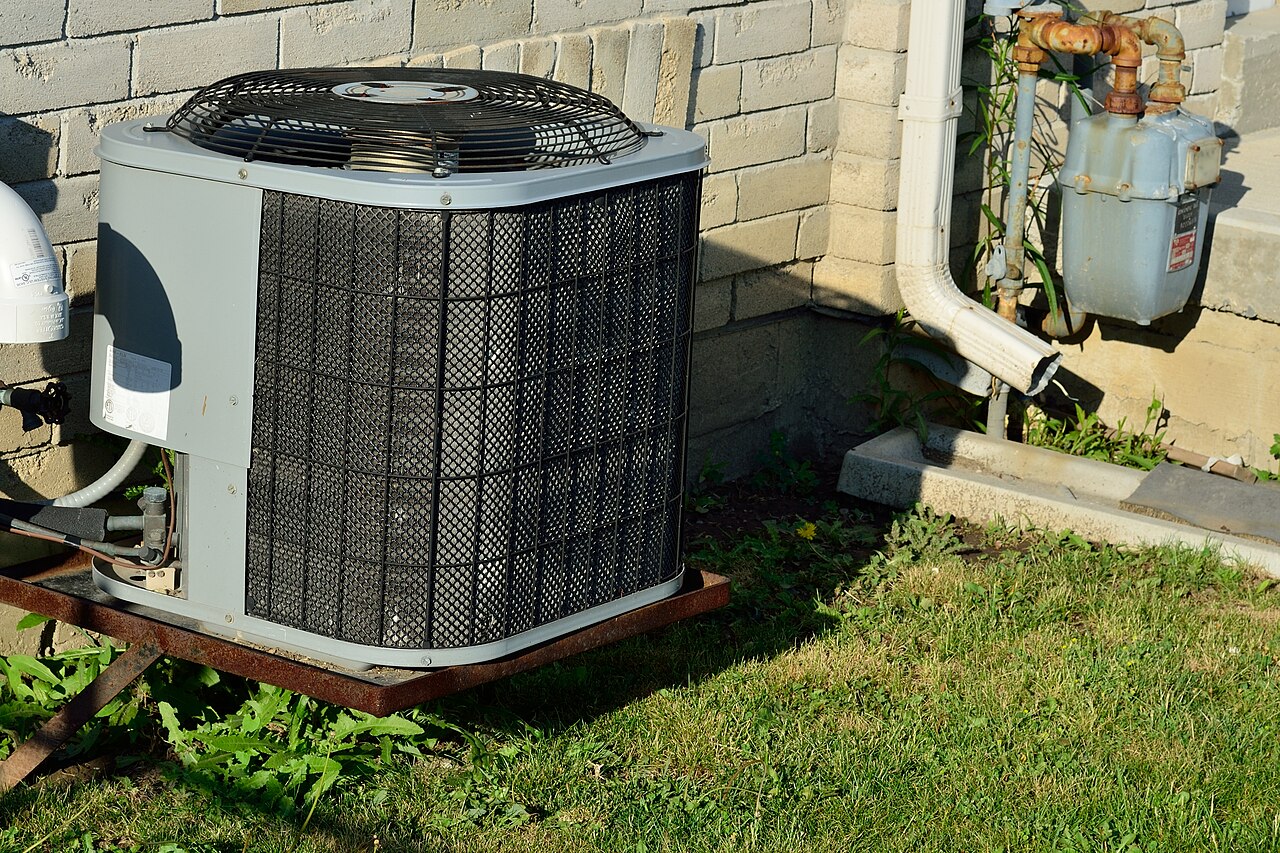
Your furnace needed a second service call this winter, or your 12-year-old air conditioner now runs all afternoon and the upstairs still feels warm. The HVAC repair-or-replace question in cases like these comes down to the age of the equipment, its repair history and whether there is a safety problem. ENERGY STAR suggests considering replacement when a heat pump or central air conditioner is more than 10 years old, or a furnace or boiler is more than 15.
Age is only the first filter. A younger system with one failed part is worth fixing, while an older one showing several of the signs below at the same time deserves a closer look.
Quick checks before an HVAC repair call
Some problems that look like a failing system have simple causes, and checking them takes about ten minutes:
- The air filter. A clogged filter restricts airflow, cuts heating and cooling output and makes the equipment work harder. ENERGY STAR suggests checking it every month and changing it at least every three months, sooner if it looks dirty.
- The thermostat. Confirm it is in the right mode, the schedule is correct and any batteries are fresh.
- Breakers and switches. A tripped breaker or a service switch turned off near the furnace or outdoor unit can stop the system completely.
- Vents and the outdoor unit. Furniture over supply vents, or leaves packed around the condenser, can block airflow.
If the system still misbehaves after these checks, a licensed technician is the next step.
Symptoms that one repair can fix
Plenty of complaints trace back to a single worn or failed part. Weak airflow, or rooms that never reach the set temperature, can come from a failing blower motor, leaky or blocked ducts or low refrigerant. A system that turns on and off every few minutes, called short cycling, may have a thermostat, sensor or sizing problem.
New noises deserve attention early. Squealing, grinding, banging or rattling points to belts, bearings, motors or loose panels, and a worn bearing left alone can damage the motor it supports. Ice on the outdoor unit in summer, or water pooling around the indoor unit, signals an airflow, refrigerant or drainage issue. None of these, on its own, means the whole system is finished.
Stop and call: safety warnings
If you smell gas, leave the house and call your gas utility or 911 from outside. If a carbon monoxide alarm sounds, get everyone outdoors and call for help. A burning smell that lingers after the first run of the season, scorch marks near the equipment or a breaker that keeps tripping also need a professional the same day.
The Consumer Product Safety Commission recommends carbon monoxide alarms on every level of the home and outside sleeping areas, tested monthly. It also urges a yearly professional inspection of fuel-burning heating equipment, including vents and chimneys. That inspection is also a good moment to ask about the overall condition of an aging furnace.
When replacement starts to make sense
Equipment age
Age changes the math more than it decides it. Older equipment is less efficient than current models, and parts for it can become harder to find. Use the ENERGY STAR age points above as the moment to start comparing, not as a deadline.
A pattern of repair bills
One repair on an older system can be reasonable. A service call every season is a different story. When repair costs keep stacking up on equipment near the end of its expected life, that money may do more toward a new system.
Energy bills that keep climbing
If bills rise while your habits stay the same, the equipment may be losing efficiency. Compare the same months across two or three years so weather differences do not skew the picture.
The refrigerant inside
Air conditioners and heat pumps made before 2010 often use R-22 (HCFC-22), and the nameplate on the outdoor unit shows which refrigerant yours has. The EPA states that production of R-22 ended on January 1, 2020. A working R-22 system does not have to be replaced and can still be serviced, but only with recovered or reclaimed refrigerant, so a major leak is the point to price new equipment.
Newer refrigerants matter too. Under EPA rules, new home air conditioners and heat pumps manufactured since January 1, 2025, must use a refrigerant with a global warming potential below 700, such as R-32. In May 2026, EPA allowed equipment with older refrigerants that was made or imported before that date to be installed while stock lasts, and several states, including California, New York and Washington, have their own refrigerant rules. The EPA also says homeowners can keep repairing an existing system, including replacing a major component such as a compressor or condensing unit. If a contractor suggests swapping only the outdoor half of an older system, ask whether the new and old parts are designed for the same refrigerant.
How to decide between repair and replacement
Put the signs side by side before you commit to either path:
| Factor | Leans toward repair | Leans toward replacement |
|---|---|---|
| Age | Well within expected life | AC or heat pump over 10 years; furnace or boiler over 15 |
| Repair history | First significant problem | Repeated breakdowns |
| Comfort | Good apart from one issue | Uneven rooms, humidity problems |
| Energy bills | Stable | Rising without a clear reason |
| Refrigerant | Current type, no major leak | R-22 system with a major leak |
Then ask the technician for specifics. What failed and why? What condition are the other major parts in? Is the part still under warranty? For a replacement, ask whether the contractor will do a load calculation (often called a Manual J) to size the new equipment, whether the ducts need sealing and what the equipment and labor warranties each cover.
Ask at least two licensed contractors for itemized bids that list removal of the old unit and any electrical or duct work. Check incentives before counting on them: the IRS states that the federal Energy Efficient Home Improvement Credit cannot be claimed for property placed in service after December 31, 2025. Some utilities and states still run their own rebates, so ask your utility what is available now.
A single repair on a system well within its expected life is the sensible choice in most cases. Once age, repeated repairs and rising bills line up together, a written replacement quote is worth getting before the next breakdown forces a rushed decision.
Sources and further reading
- ENERGY STAR: When to Replace Heating and Cooling Equipment
- EPA: Frequent Questions on the Phasedown of Hydrofluorocarbons
- EPA: Fact Sheet on the 2026 Technology Transitions Final Rule
- EPA: Homeowners and Consumers FAQ on the R-22 Phaseout
- CPSC: Carbon Monoxide and Home Heating Equipment
- IRS: Energy Efficient Home Improvement Credit