Commercial Pilot Training: FAA Hours, Certificates and What Drives the Cost
Commercial pilot training under FAA rules: the 250-hour minimum, the Part 141 option, the medical exam, the checkride and what makes flight school expensive.
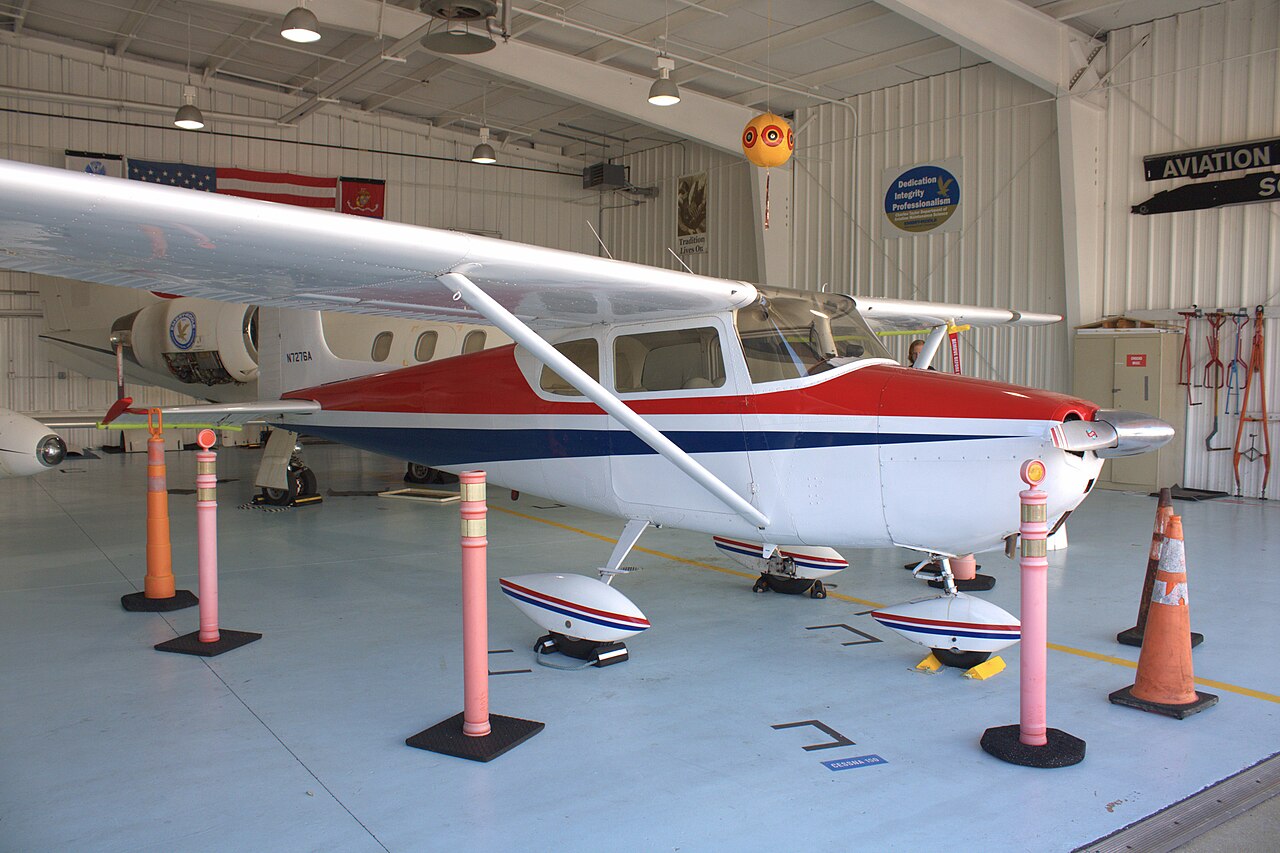
Commercial pilot training in the United States requires at least 250 hours of logged flight time under the FAA's Part 61 rules, or at least 120 hours of flight training in an approved Part 141 course, and you must be 18 to hold the certificate. Almost everyone gets there through earlier steps first: a student pilot certificate, a private pilot certificate and, in most career programs, an instrument rating.
The sequence is the same whether you want to fly charters, instruct, do aerial work or eventually join an airline. What differs from one student to the next is the pace, the kind of school and the final bill.
Commercial pilot training steps: the FAA certificate ladder
FAA rules in 14 CFR Part 61 set out the certificates a future professional pilot works through:
- Student pilot certificate. You must be at least 16 to get one for airplanes. It lets you fly solo once your instructor signs you off.
- Private pilot certificate. The minimum age is 17. You may carry passengers, but generally not for pay.
- Instrument rating. This rating allows flight in clouds and low visibility by reference to instruments.
- Commercial pilot certificate. The minimum age is 18, and you must already hold at least a private certificate. This is the certificate that lets you be paid to fly, within its limits.
- Airline transport pilot (ATP) certificate. Required to serve as a pilot at a U.S. airline. The general minimum age is 23.
The instrument rating carries more weight than its place in the list suggests. Under 14 CFR 61.133, a commercial airplane pilot without one gets a limitation that bans carrying passengers for hire on cross-country flights longer than 50 nautical miles or at night. That is why career programs treat it as a standard step.
For context on where the training leads, the Bureau of Labor Statistics reports a median annual wage of $123,220 for commercial pilots in May 2025; pay varies by employer, aircraft and region. Airline pilots, BLS notes, typically also need a bachelor's degree and experience as a commercial or military pilot.
Flight hour minimums for each certificate
The hour numbers in the regulations are floors. Students regularly log more before an instructor considers them ready for the test.
| Certificate (airplane) | Federal minimum |
|---|---|
| Private pilot | 40 hours of flight time, including at least 20 with an instructor and 10 solo |
| Instrument rating | 50 hours of cross-country time as pilot in command and 40 hours of actual or simulated instrument time |
| Commercial pilot (Part 61) | 250 hours of flight time as a pilot |
| Airline transport pilot | 1,500 hours of total time as a pilot |
Within the 250 hours, 14 CFR 61.129 requires, among other items, 100 hours as pilot in command and 50 hours of cross-country flying.
Exceptions to the 1,500-hour ATP rule
Under 14 CFR 61.160, military pilots may qualify for a "restricted" ATP with 750 hours, and graduates of certain FAA-authorized aviation bachelor's degree programs may qualify with 1,000 hours. The minimum age for a restricted ATP is 21.
Part 61 or Part 141: two ways to train
You will see flight schools described as "Part 61" or "Part 141." Both lead to the same FAA certificates and the same tests.
Part 61: instructor-paced
Under Part 61, an instructor follows the regulations but sets the pace and order of lessons. This can suit people who train part-time around a job.
Part 141: approved syllabus
Part 141 schools are FAA-approved pilot schools that follow an approved syllabus with stage checks. Because the course itself is approved, the hour minimums can be lower: the commercial airplane course in Appendix D to Part 141 calls for at least 120 hours of flight training, and its graduates do not have to meet the 250-hour total that applies under Part 61.
Part 141 status also matters for funding. Outside college degree programs, the Department of Veterans Affairs pays GI Bill benefits for flight training only at Part 141 pilot schools or Part 142 training centers with VA-approved programs, and only if you already hold a private pilot certificate and a current second-class medical certificate. Flight training within a college degree program follows separate VA rules.
A lower minimum does not always mean a lower total cost. Many students still fly beyond the minimum, and the 1,500-hour ATP threshold stays the same however you trained.
The medical certificate and the checkride
Getting an FAA medical
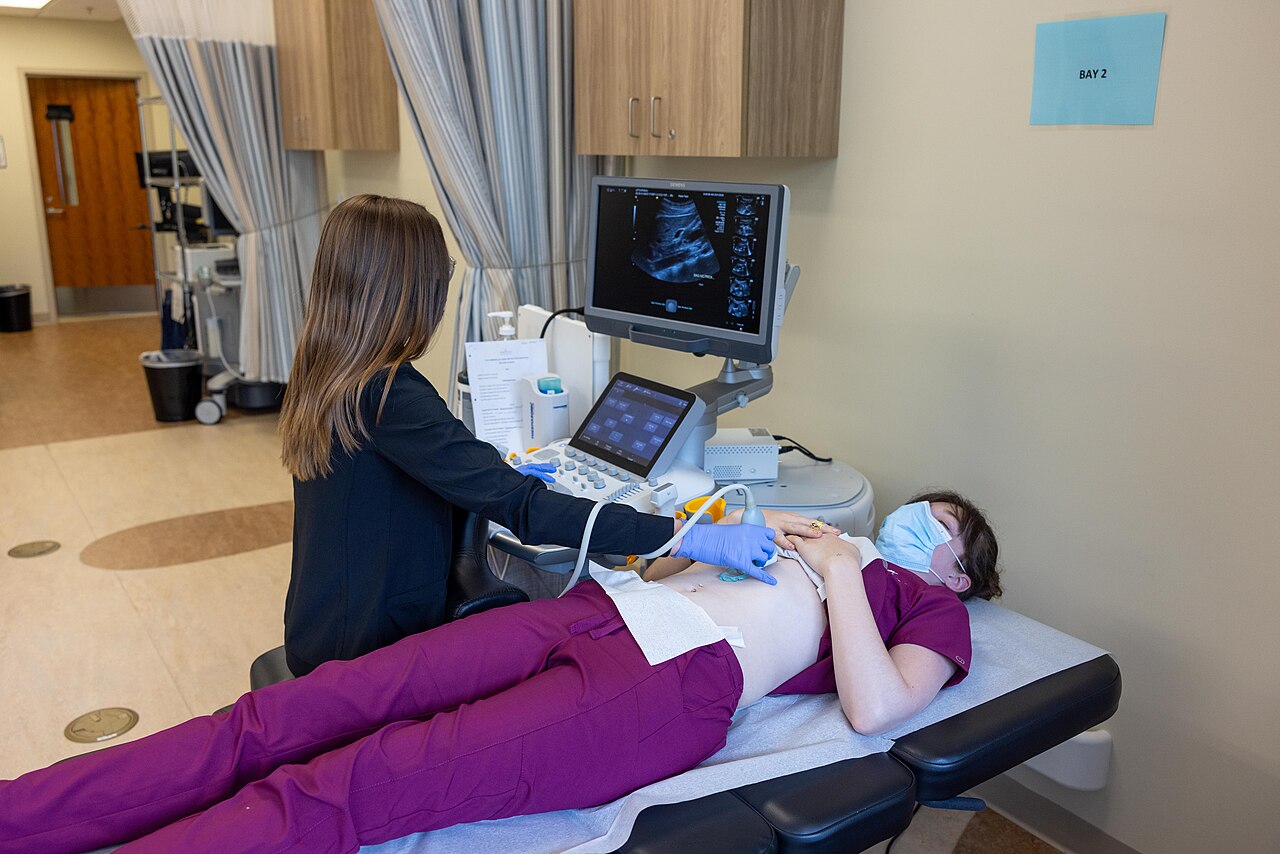
Pilots who fly for hire need an FAA medical certificate issued by an Aviation Medical Examiner (AME). Under 14 CFR 61.23, exercising commercial pilot privileges requires at least a second-class medical, and for commercial flying it lasts 12 months at any age. Captains flying under an ATP certificate need a first-class medical.
The FAA suggests getting your medical certificate before you begin flight training, so that any disqualifying condition comes to light early. You apply online through the FAA's MedXPress system, then see an AME of your choice, who sets their own fee. If you have a medical condition or take regular medication, bring records; some cases are deferred to the FAA for review, which can take time.
Knowledge test and practical test
Each certificate has two exams. The written one for this level is the Commercial Pilot Airplane knowledge test, which you must pass before the practical test. The practical test, or checkride, is a flight and an oral exam graded against the FAA's Airman Certification Standards for commercial airplane pilots. It is given by an FAA-designated examiner, and those examiners set their own fees.
Where the money goes in flight training
There is no official price for becoming a commercial pilot, and quotes differ widely by region, aircraft and school. It helps to know what each invoice line covers:
- aircraft rental, billed per flight hour and normally the largest share, with fuel prices and aircraft type driving the rate;
- instructor time for flights and ground lessons;
- ground school, books and written test preparation;
- knowledge test fees and the examiner's fee for each checkride;
- the medical exam, plus any follow-up the AME requests;
- extra hours caused by weather delays, long gaps between lessons or repeated maneuvers.
After the commercial certificate, many pilots still need hundreds more hours before an airline will consider them. Instructing, towing or survey flying are common ways to build that time while being paid.
How to choose a flight school
Start with structure. If you can train full-time and want VA benefits, a Part 141 program is the route the VA pays for once you hold a private certificate. If you need to fit lessons around a job, a Part 61 school with an instructor who knows your schedule may move you along faster in practice.
Then compare the schools on your short list point by point:
- Which programs are FAA-approved under Part 141, and which run under Part 61?
- How many aircraft and instructors are available, and how far ahead are lessons booked?
- How are rental and instructor time billed, and what does any package price leave out?
- What happens to prepaid money if you stop training or the school closes?
- Is any program tied to an accredited college degree?
Paying in smaller blocks rather than one large deposit limits your exposure if plans change. The best school for you is the one where you will fly steadily, because long gaps between lessons add hours and cost more than any difference in hourly rates; confirm the hour and medical rules that apply to your plan with the FAA or a certificated flight instructor.