CDL Training: How to Get a Commercial Driver's License in the Right Order
CDL training and licensing in order: Class A, B and C, the learner's permit, FMCSA's entry-level training rule, the DOT medical exam and the skills test.
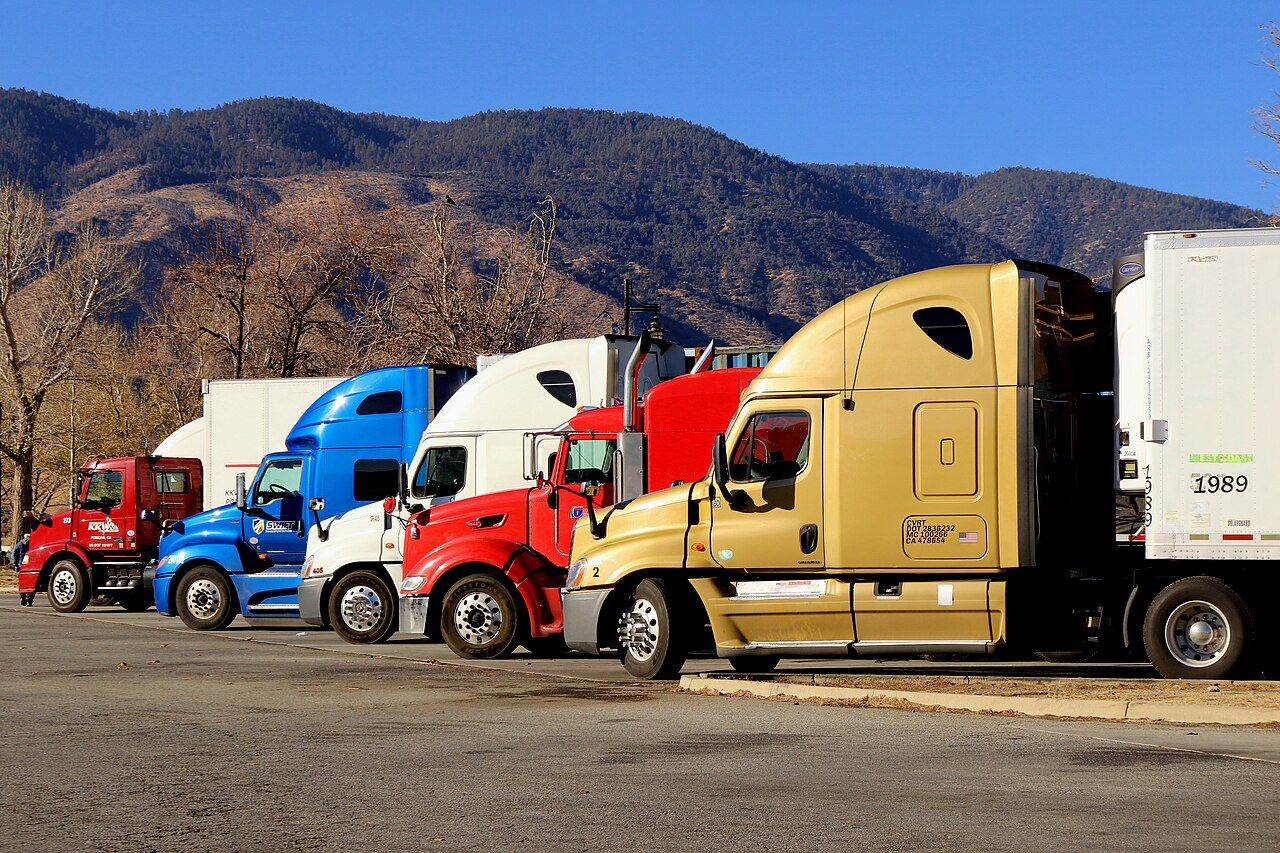
CDL training has been a federal requirement since February 7, 2022, when the Federal Motor Carrier Safety Administration's Entry-Level Driver Training rule took effect for first-time Class A and Class B applicants. The training must come from a provider on FMCSA's Training Provider Registry, and your state checks that registry before it lets you take the skills test.
The license itself comes from your state, which applies FMCSA's core rules and may add its own. The process has more steps than a regular driver's license, and doing them out of order costs time. Your state's CDL manual has local details such as fees and testing sites.
Which CDL class you need
There are three classes of CDL, based on the vehicle:
| Class | What it covers |
|---|---|
| Class A | Vehicle combinations with a gross combination weight rating of 26,001 pounds or more, where the towed unit is over 10,000 pounds (for example, a tractor-trailer) |
| Class B | A single vehicle of 26,001 pounds or more, such as many straight trucks, dump trucks and buses |
| Class C | Vehicles that don't meet Class A or B but are designed to carry 16 or more people including the driver, or carry placarded hazardous materials |
Endorsements
Some jobs need endorsements on top of the class. Examples include passenger (P), school bus (S), tank vehicle (N), double/triple trailers (T) and hazardous materials (H). Tank, doubles/triples and hazmat require a knowledge test only, while passenger and school bus endorsements also require a skills test.
Pick the class and endorsements for the work you actually want. Training once for the right license is simpler than coming back to upgrade.
The Bureau of Labor Statistics notes that heavy and tractor-trailer truck drivers typically have a high school diploma and attend a professional truck driving school, and that long-haul work can mean days or weeks away from home.
Age, driving record and drug-test history
Federal rules require drivers in interstate commerce, meaning across state lines, to be at least 21. Drivers younger than 21 may be able to drive commercially within their own state under state rules, but generally cannot drive interstate except through limited federal pilot programs.
You also need a valid regular driver's license. When you apply for a learner's permit, the state checks your driving record for the past 10 years in all states and the District of Columbia, and serious violations can delay or block a CDL.
Since November 18, 2024, states must also query FMCSA's Drug and Alcohol Clearinghouse before issuing, renewing or upgrading a learner's permit or issuing a first CDL. If the database shows a driver in "prohibited" status because of a drug or alcohol program violation, the state must deny the transaction, and commercial privileges stay off until the driver completes the federal return-to-duty process.
The commercial learner's permit (CLP)
The first official step is a commercial learner's permit. To get one, you pass the knowledge tests for the class and endorsements you want, show the documents your state requires and prove that you are medically qualified. States set their own fees for the permit and tests.
A CLP lets you practice driving a commercial vehicle on public roads only with a qualified CDL holder seated next to you. Under federal rules, you cannot take the CDL skills test during the first 14 days after the permit is first issued.
The DOT medical certificate
Most commercial drivers need a DOT medical examination from a medical examiner listed on FMCSA's National Registry of Certified Medical Examiners. The registry includes certain physicians, physician assistants, advanced practice nurses and chiropractors.
A medical certificate is valid for up to 24 months, and the examiner may issue it for a shorter period if a condition such as high blood pressure needs monitoring. In most states, the examiner now sends your results to the licensing agency electronically. If you take regular medication or manage a chronic condition, bring records to the exam.
Entry-level CDL training requirements
The federal training rule applies to people who:
- get a Class A or Class B CDL for the first time;
- upgrade from Class B to Class A; or
- get a passenger, school bus or hazardous materials endorsement for the first time.
The rule sets content, not a clock. FMCSA states that there is no required minimum number of instruction hours for either part of the training. Some states do set a minimum number of behind-the-wheel hours, and drivers who train in those states must meet it.
Theory
Theory training covers subjects such as vehicle systems, hours-of-service rules and safe operating procedures. It can be delivered in a classroom or online, and you must score at least 80 percent on the theory assessment. The hazmat endorsement requires theory training only.
Behind-the-wheel
Behind-the-wheel training takes place on a practice range and on public roads, in a vehicle representative of the class you are seeking. A simulator cannot be used to meet this part. Your instructor decides when you have shown proficiency in every required skill and records the hours you took.
Theory and behind-the-wheel training may come from different registered providers, but both parts must be completed within one year of each other. When you finish, each provider reports your completion to the registry electronically.
The three-part skills test
Once you have held your CLP for at least 14 days and finished any required training, you can take the CDL skills test:
- Vehicle inspection test: showing that you know how to check that the vehicle is safe to drive.
- Basic controls test: maneuvers such as backing and turning in a controlled area.
- Road test: driving in real traffic with an examiner.
Test in the same type of vehicle you plan to drive. If you test in a vehicle without certain equipment, such as air brakes or a manual transmission, your license may carry a restriction.
Questions to ask a CDL school
CDL training is offered by private truck driving schools, community colleges and some employers. Put these questions to each one on your list:
- Is the school listed on the FMCSA Training Provider Registry for the class or endorsement you want?
- Since federal rules set no hour minimum, how many behind-the-wheel hours does the program include, and how many students share each truck?
- Does the price cover permit and test fees, use of a truck for the skills test and any retests?
- If an employer pays for training, is there a repayment agreement if you leave early? The Consumer Financial Protection Bureau has reported on these "training repayment" provisions in trucking, so read the terms in full.
- Is the program on your state's eligible training provider list? Some adults qualify for training help through their local American Job Center under the Workforce Innovation and Opportunity Act (WIOA).
A registered school that puts its behind-the-wheel hours and full price in writing gives you the clearest basis for comparison. The license itself depends on your state, so check its CDL manual for any training or testing rules beyond the federal ones.