How to Become an EMT: Training Hours, the NREMT Exam and State Licensing
The steps to becoming an EMT: a state-approved course, the NREMT cognitive and skills exams, state licensing, age rules and two-year recertification.
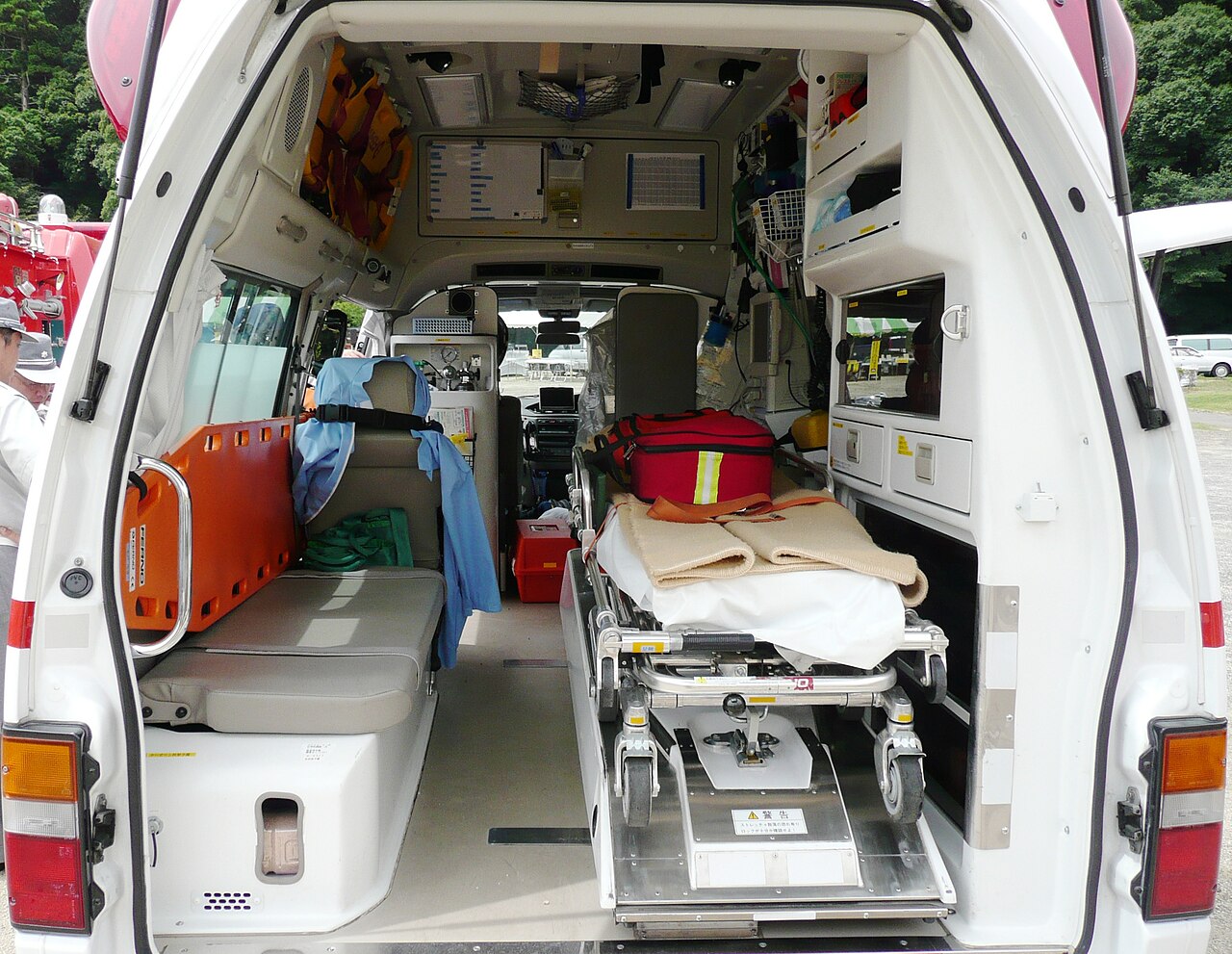
To become an EMT, you complete a state-approved course, pass the National Registry's computer adaptive exam of 70 to 120 questions along with a hands-on skills exam, and get licensed by the state where you will work. States set the course length. California, for example, requires at least 170 hours, including 24 hours of supervised clinical experience.
The path is shorter than for many health care jobs, which is why it draws career changers, volunteer firefighters and students heading toward nursing or paramedic training. Because every state runs its own licensing, your state EMS office is the authority on the details.
EMT training: course content and required hours
Your course must be approved by your state and meet or exceed the National EMS Education Standards. Community colleges, technical schools, hospitals, fire departments and private training centers offer them, and the National Registry of Emergency Medical Technicians (NREMT) suggests contacting your state EMS office to find approved programs.
Hours and format
Course length depends on your state's rules and on the school. California's rule is one concrete benchmark: a minimum of 146 hours of classroom instruction and skills lab plus 24 hours of supervised clinical work, which must include at least ten documented patient contacts. Exam time does not count toward those hours. Evening and weekend sections take more calendar weeks than daytime ones.
What you learn
Training mixes lectures, hands-on skills practice and clinical or field time, such as shifts in an emergency department or on an ambulance. Topics include patient assessment, airway management, cardiac emergencies, trauma, childbirth and lifting and moving patients.
When comparing programs, ask about total cost (tuition, textbooks, uniforms, background checks and exam fees), where clinical hours take place and the program's recent first-attempt pass rate on the national exam.
Where EMT fits among EMS levels
The National EMS Scope of Practice Model, published by the National Highway Traffic Safety Administration, describes four levels of EMS clinicians:
| Level | General role |
|---|---|
| Emergency Medical Responder (EMR) | Basic, immediate lifesaving care while awaiting additional help |
| Emergency Medical Technician (EMT) | Assessment and basic emergency care, including during transport |
| Advanced EMT (AEMT) | EMT skills plus some advanced procedures, such as IV fluids and certain medications |
| Paramedic | The most extensive prehospital care, including a wider range of medications and heart rhythm monitoring |
The model sets a national baseline, and each state decides what its licensed EMS clinicians may do. Some people start at a lower level and advance as they gain experience. Paramedic programs must be state approved and accredited by CAAHEP for graduates to sit for the national paramedic exam.
Passing the NREMT exam
Most states use National Registry certification as a basis for licensure, though a few run their own process. To be eligible, you must have completed a state-approved EMT course within the past two years, with completion verified by your program director on the NREMT website.
The cognitive exam
This is a computer adaptive test with 70 to 120 questions and a two-hour time limit. The fee listed by NREMT is $104 per attempt.
The psychomotor exam
The skills exam must be state approved. Some states build it into the EMT course itself, so ask your instructor how it is handled where you train.
Passed portions of the exam remain valid for 24 months, as long as you still meet the other eligibility requirements.
Getting licensed in your state
National certification and a state license are separate. The U.S. Bureau of Labor Statistics (BLS) notes that all states require EMTs and paramedics to be licensed in the state where they work. Expect a separate application, fees and a background check, and in some states fingerprints.
Age rules show how much states differ. NREMT sets no minimum age for national certification, but states may. Some require EMTs to be 18, while others accept younger candidates with restrictions on what they may do. Ask also whether your state or program requires a current CPR or basic life support credential for health care providers.
Keeping it current
National certification renews in two-year cycles. Under NREMT's National Continued Competency Program, EMTs complete 40 hours of continuing education per cycle: 20 hours of national content, 10 of state or local content and 10 of individual content. State license renewal rules are set separately.
What the job involves and pays
According to the BLS, EMTs and paramedics respond to calls for medical help, assess patients, provide first aid or life support care, and transport patients to hospitals or other facilities. They also document care, restock supplies and clean equipment. Nights, weekends and holidays are common, and the work is physically strenuous and stressful.
The BLS reports a median annual wage of $44,470 for EMTs and $60,600 for paramedics in May 2025. Pay differs between private ambulance services, hospitals and fire departments, and from state to state.
Next steps, in order
Start with the parts only you can answer, then move to the paperwork.
- Be honest about the physical and emotional side: lifting patients, working nights and handling serious injuries.
- Decide whether EMT is the goal or a step toward paramedic, nursing or other training, and whether you want paid or volunteer work.
- Contact your state EMS office for the list of approved courses and the state's age and background check rules.
- Compare two or three approved programs on cost, schedule and first-attempt pass rate.
- After the course, register with NREMT, pass both exams and apply for your state license.
A state-approved course is the step everything else depends on. Pick that carefully and the exam and license follow a set order.