Buying a Former Rental Car: What to Check
Buying a former rental car: the federal recall rule for rental fleets, how rental use affects the warranty, and the wear, records and title to check first.
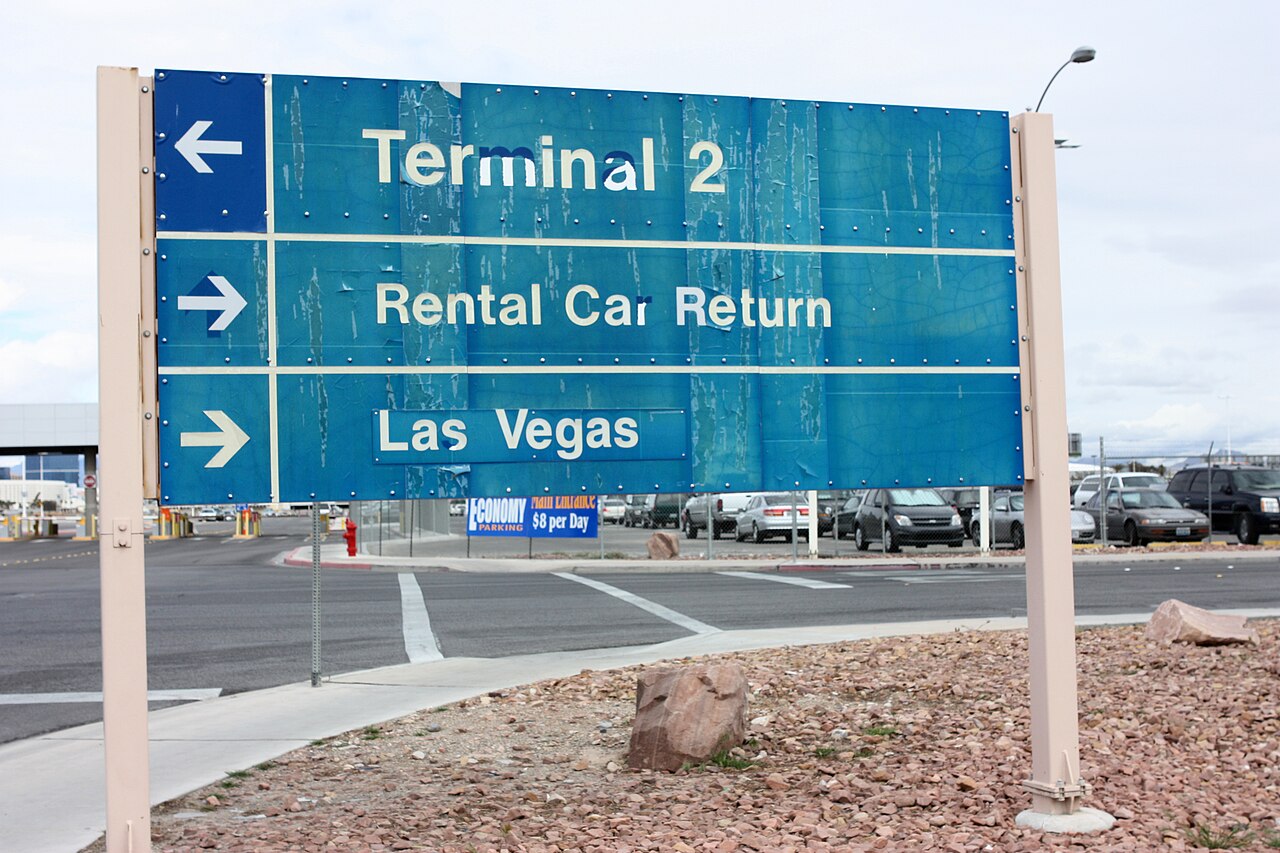
Buying a former rental car can work out well when the price reflects its history. Federal law gives you one protection up front: a rental company with a fleet of 35 or more vehicles may not sell a car under an open safety recall until the recall repair is done. Wear, the warranty time already used and the maintenance record are yours to check.
A rental car is driven by many people for short stretches before it is sold. That can mean a late-model car at a lower price, or a car treated roughly by drivers who never planned to own it. A few records and a close look usually tell you which one it is.
Where former rental cars are sold
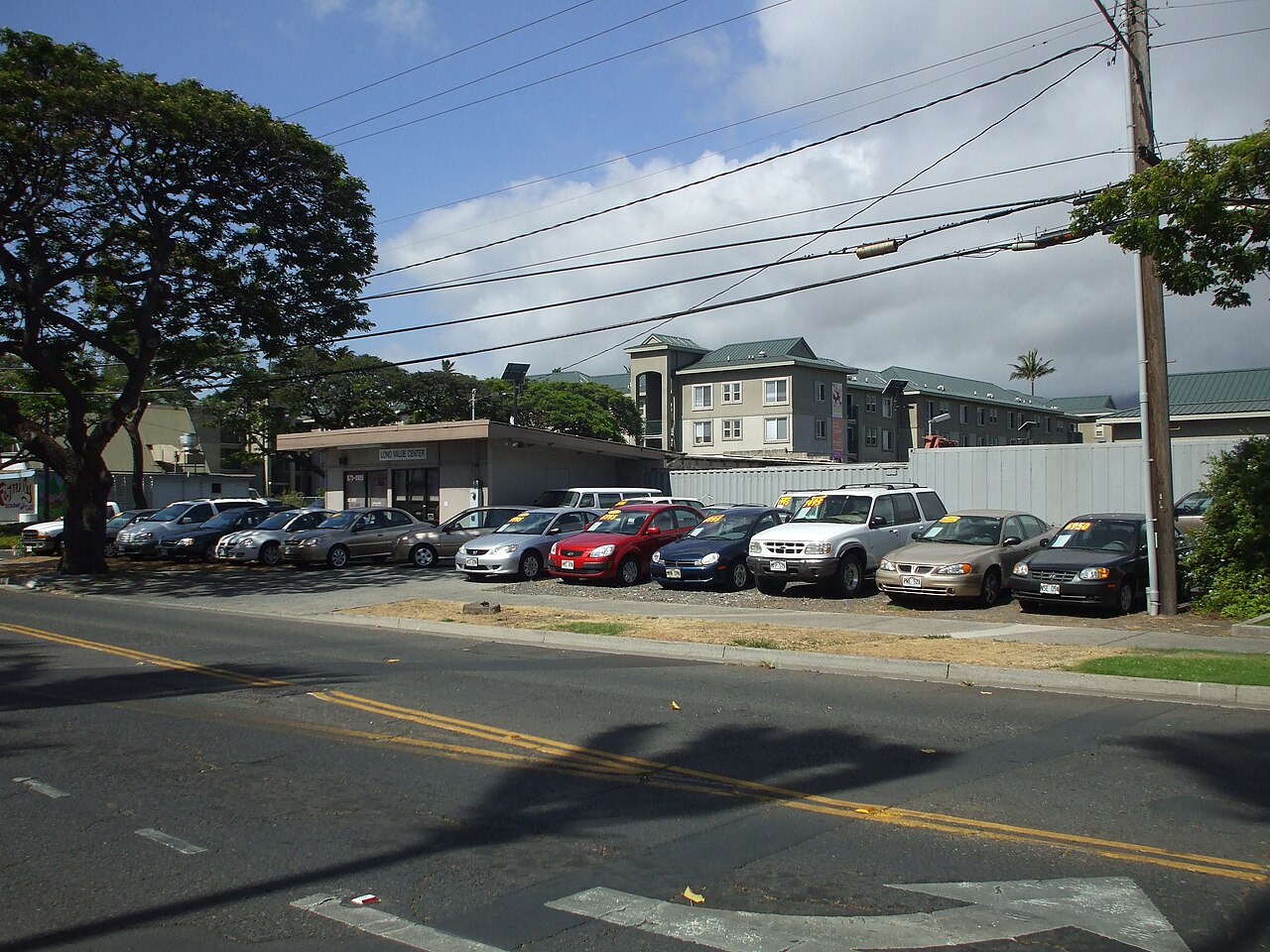
Some rental companies sell their own cars to the public, and others sell them through auctions or dealers. By the time a former rental reaches a neighborhood lot or a private seller, the rental history may not be mentioned at all.
The seller makes a difference. When a dealer sells more than five used vehicles in a 12-month period, the Federal Trade Commission's Used Car Rule requires a Buyers Guide on each car. The Guide states whether the car comes with a warranty or is sold "as is," and it tells you to get a vehicle history report. It does not require the dealer to say the car was a rental, so ask directly.
The recall rule for rental fleets
Under federal law, a rental company covered by the rule may sell, lease or rent a recalled vehicle only after the defect has been fixed. The rule took effect in 2016 and covers companies that rent vehicles of 10,000 pounds or less from fleets of at least 35. There is a narrow exception for cars retitled as junk.
That rule binds the rental company, not everyone who resells the car later. Recalls are also announced all the time, so a car fixed when it left the fleet can have a new recall today. Run the 17-character VIN at nhtsa.gov/recalls on the day you look at the car. Recall repairs are done at no charge by the automaker's dealers.
How rental use affects the warranty
A factory warranty usually starts when the car is first delivered or put into service, not when you buy it. For a former rental, that means the clock has been running since the rental company put the car on the road. Check the in-service date with a dealer for that brand and work out how much time and mileage remain.
Some coverage may not carry over at all. Hyundai's 2026 warranty handbook gives a 10-year/100,000-mile powertrain warranty to the original owner, but that warranty excludes vehicles placed in commercial use, with rental named as an example. A later owner gets powertrain coverage under the 5-year/60,000-mile new vehicle warranty instead. Other automakers word their terms differently, so read the booklet for the exact brand and model year.
Wear to look for on a former rental
Mileage can look reasonable and still hide hard use. As a yardstick, licensed U.S. drivers averaged 13,735 miles in 2024, according to the Federal Highway Administration. A one-year-old rental with 30,000 miles has seen more than twice that.
| Area | What rental use can do | What to check |
|---|---|---|
| Tires and brakes | Hard stops, curb strikes, uneven wear | Tread depth across each tire, brake noise, pulsing pedal |
| Wheels and bumpers | Scrapes from tight parking and curbs | Rims, lower bumper edges, underbody shields |
| Interior | Spills, smoke, pet hair, worn driver's seat | Odor, stains, seat bolsters, headliner |
| Windshield | Chips from highway miles | Cracks in the driver's line of sight |
| Keys and accessories | Missing second key, floor mats, cargo cover | Ask for every key and accessory listed for the model |
| Electronics | Settings changed by many drivers | Phone pairing, cameras, sensors, warning lights |
Take a test drive that includes highway speed, and have a mechanic you choose inspect the car before you agree on a price.
Records and title checks
Ask for the maintenance history and whether the seller can print the fleet's service records. A gap does not prove neglect, but a printed record is worth more than a verbal promise. Keep whatever you get: the FTC notes that a warranty company can ask for maintenance records before approving a claim.
Run an NMVTIS title report, as in any used-car purchase; our used car inspection checklist covers that step. What is specific to a former rental is the commercial history report, which may list fleet or rental use and accident claims.
Questions to ask about a former rental car
- Was this car a rental, and for how long?
- What was its in-service date, and how much factory warranty is left for me as a later owner?
- Are there open recalls on the VIN today?
- Can I see the maintenance records from the fleet?
- Has the car had any body or glass repairs?
- How many keys come with it?
- Is it sold with a dealer warranty or "as is," and which box is checked on the Buyers Guide?
- Will you let my own mechanic inspect it?
A former rental with a clean title, records, the right number of keys and a mechanic's approval can be a fair buy. Pay a price that accounts for the warranty already used and the miles on the clock, and walk away if the seller dodges any of these questions.
Sources and further reading
- 49 U.S. Code § 30120: Remedies for defects and noncompliance — Legal Information Institute
- Dealer's Guide to the Used Car Rule — Federal Trade Commission
- Safety Recalls lookup by VIN — NHTSA
- National Motor Vehicle Title Information System — U.S. Department of Justice
- 2026 Owner's Handbook and Warranty Information — Hyundai Motor America