Cars That Hold Their Value: What Drives Resale Price
What makes some cars hold their value better than others: mileage, title history, maintenance records, warranty transfer and running costs buyers check.
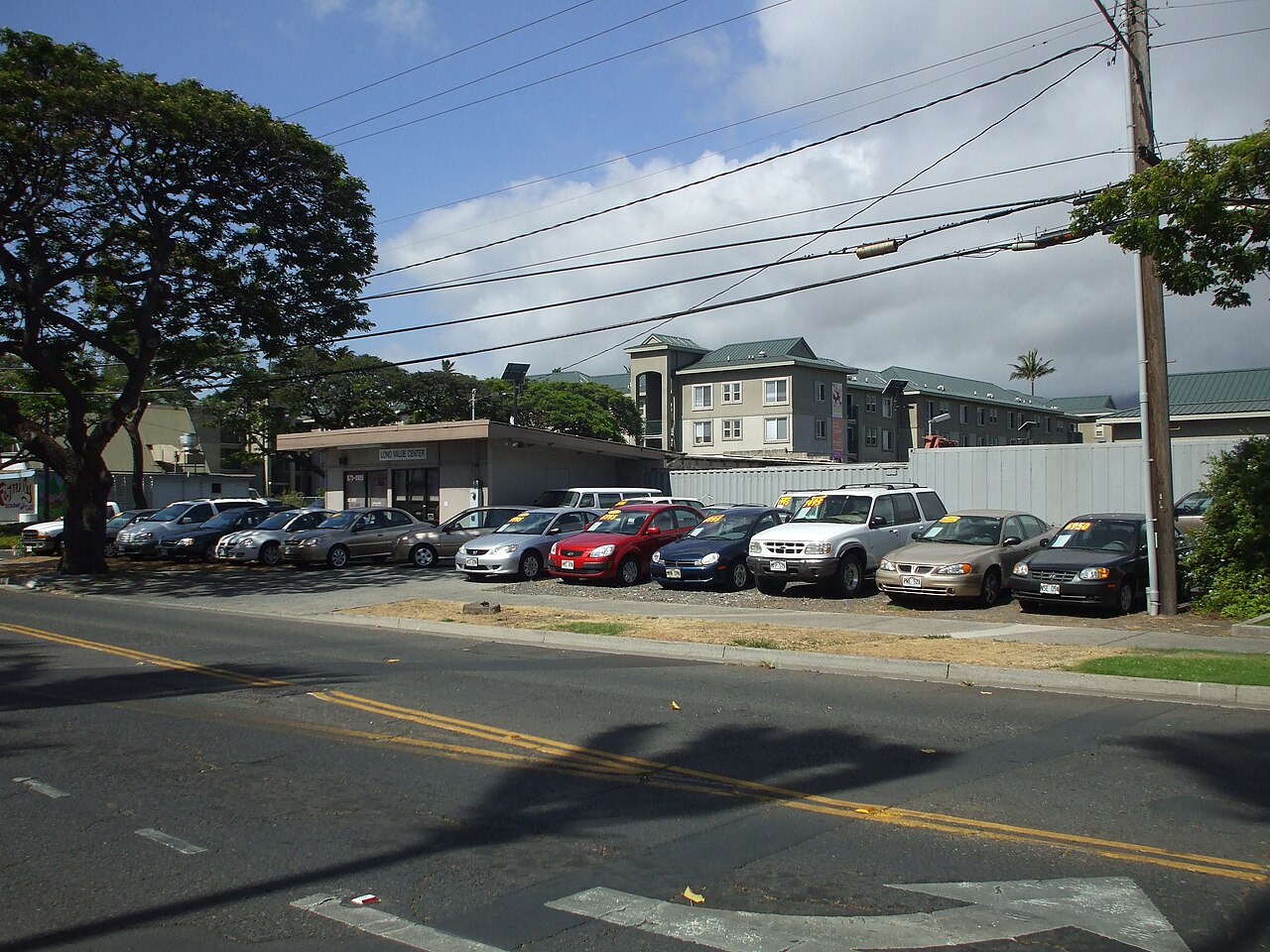
Cars that hold their value tend to share traits a buyer can check: modest mileage for their age, a clean title, a full set of maintenance records and factory warranty coverage that still has time left and passes to the next owner. Mileage is judged against a known yardstick. Licensed U.S. drivers averaged 13,735 miles in 2024, according to the Federal Highway Administration.
Published lists of resale winners come from private pricing services, and their order shifts from year to year. These traits apply to any model, whatever this year's resale lists say.
What makes cars hold their value
A used car's price is set by how many buyers want that model in that condition and how many similar cars are for sale at the same time. The model's reputation for lasting, the demand for its body style in your area and the cost of keeping it on the road all feed into what the next buyer will offer.
The market as a whole can also move. The Bureau of Labor Statistics reported that its used cars and trucks price index rose 45.2 percent in the 12 months ending June 2021, the largest 12-month increase ever recorded for that index. A shortage like that lifts almost every car's resale price, then fades. You cannot control timing, so the factors worth your attention are the ones tied to the car itself.
Mileage and condition
Two cars of the same model and year can sell for very different prices because of the odometer. Using the federal average, a five-year-old car would have roughly 69,000 miles. A car well under that line usually draws more buyers, and one far over it draws fewer.
Condition counts almost as much. Dents, curb-scraped wheels, stained seats and warning lights on the dashboard all give a buyer reasons to offer less. Smoke odor and pet damage are hard to remove and narrow the pool of interested buyers.
Title history and odometer records
A title brand such as salvage, rebuilt or flood stays with the car for good, even after proper repairs, and it makes later buyers wary. A federal NMVTIS title report shows those brands; our used car inspection checklist explains how to run one.
Odometer records also follow the car longer than they used to. Under federal rules that took effect in 2021, a seller must give an odometer disclosure for vehicles of model year 2011 and newer until they are 20 years old, up from the earlier 10-year cutoff. A clean, consistent mileage trail is something the next buyer can confirm.
Warranty coverage that passes to the next owner
Factory warranty time that remains on a car adds to its appeal, but not every part of a warranty transfers. Some automakers give the original owner a 10-year/100,000-mile powertrain warranty but give later owners only the shorter new-vehicle term, such as 5 years or 60,000 miles. Long coverage of this kind can also exclude cars once used as rentals or taxis. Read the warranty booklet for the brand and model year you are considering, since terms differ from one automaker to the next.
Records matter here as well. The Federal Trade Commission tells owners to keep proof of oil changes, tire rotations and other routine work, because a warranty company can ask for it before approving a claim. The same folder of receipts reassures a buyer when you sell.
Running costs the next buyer will look up
Shoppers compare more than the price. They check what a car costs to fuel, whether it has open recalls and how it performed in crash tests. You can look these up the same way before you buy:
- Fuel cost estimates and side-by-side comparisons on fueleconomy.gov.
- Open recalls for a specific car by VIN at nhtsa.gov/recalls. Recall repairs are done at no charge by the automaker's dealers.
- Crash test ratings from the Insurance Institute for Highway Safety (IIHS), which apply to a stated range of model years.
Resale factors and where to check each one
| Factor | Why the next buyer cares | Where to check |
|---|---|---|
| Mileage | Higher miles mean more wear and less warranty | Odometer vs. title and service records; FHWA average of 13,735 miles a year (2024) |
| Title brand | Salvage, rebuilt or flood brands make buyers wary | NMVTIS report |
| Maintenance history | Shows the car was cared for; needed for warranty claims | Owner's receipts, dealer service records |
| Remaining warranty | Lower repair risk for the next owner | Manufacturer warranty booklet for that model year |
| Open recalls | An unfixed safety defect raises questions | NHTSA VIN lookup |
| Fuel cost | Affects what it costs to keep the car | fueleconomy.gov |
| Crash ratings | Safety is part of what buyers pay for | IIHS ratings by model year |
How to shop with resale in mind
Start with the models you would want to drive anyway, then narrow the list using the factors above. Within that list, favor cars with mileage near or below the federal average for their age, a clean NMVTIS record and a full maintenance history.
Read the warranty booklet for each candidate and note which coverage transfers to you. Look up fuel costs and crash ratings, and run the VIN for open recalls. If you plan to keep the car a long time, weigh running costs more heavily than resale, since you will pay them for years.
Once you own the car, keep every service receipt, fix small damage before it spreads and leave the title clean. A car that holds its value is one with a clear record, reasonable miles and coverage the next owner can still use.
Sources and further reading
- Our Nation's Highways 2026: Drivers — Federal Highway Administration
- National Motor Vehicle Title Information System — U.S. Department of Justice
- Consumer Alert: Changes to Odometer Disclosure Requirements — NHTSA
- Auto Warranties and Auto Service Contracts — Federal Trade Commission
- Consumer Price Index, June 2021 — Bureau of Labor Statistics