Hybrid vs. Electric Car: Which Fits How You Drive
Hybrid vs. electric car compared: how each works, home charging speeds, winter range, battery warranties and the end of the federal EV tax credit in 2025.
The hybrid vs. electric car choice mostly comes down to charging: a hybrid runs on gasoline and recharges its own battery, while an all-electric car runs only on electricity and has to be plugged in. Home charging speed sets the pace. On a regular household outlet, an electric car gains about 2 to 5 miles of range per hour, according to the Department of Energy's Alternative Fuels Data Center.
The money side changed in 2025. The IRS says the federal clean vehicle credits, new and used, are not available for vehicles acquired after September 30, 2025, so the comparison now rests on the cars themselves and any state or utility programs where you live.
Hybrid vs. electric car: how each one works
A conventional hybrid has a gas engine, an electric motor and a small battery. The battery is charged by the engine and by regenerative braking, which captures energy that would otherwise be lost when you slow down. You never plug it in, and you fill up at a gas station as usual.
A plug-in hybrid has a larger battery that you charge from an outlet or charging station. It can drive some distance on electricity alone, and when the battery runs low it keeps going as a regular hybrid. Electric range varies by model, so check the label figure for the one you are considering.
An all-electric car has no gas engine. All of its energy comes from the battery, so every mile depends on charging.
| Hybrid | Plug-in hybrid | All-electric | |
|---|---|---|---|
| Fuel | Gasoline | Electricity, then gasoline | Electricity only |
| Needs a plug | No | Yes, to get the electric miles | Yes |
| Long trips | Gas stations | Gas stations once the battery is used | Fast chargers along the route |
| Fits best | No place to charge, lots of highway miles | Short daily trips plus occasional long drives | Home charging and predictable daily miles |
Charging at home and on the road
Start with where the car will sit overnight. AFDC's figures for charging speed:
- Level 1, a standard 120-volt outlet: about 2 to 5 miles of range per hour of charging.
- Level 2, a 240-volt unit on a dedicated circuit: about 10 to 30 miles per hour.
- DC fast charging, found at public stations: about 100 to 200 or more miles of range in 30 minutes.
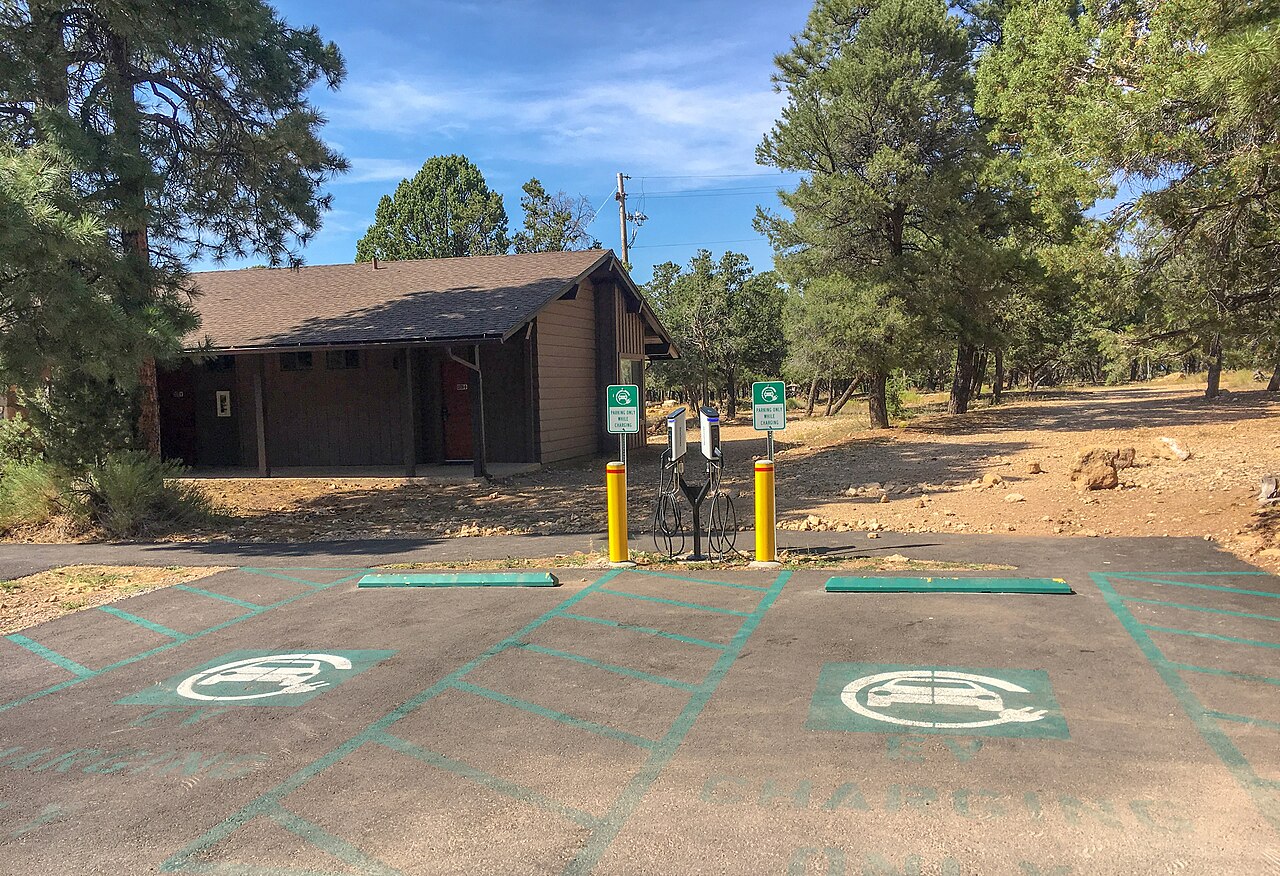
AFDC says many owners cover their daily driving by charging overnight on Level 1. Level 2 adds range several times faster, which helps on longer daily drives. AFDC notes that many homes already have 240-volt service for a dryer or range, but some need added capacity from a qualified electrician, and local permits may apply. If you rent or park on the street, ask about charging at home or work before you count on an electric car.
Range, cold weather and long trips
Every car uses more energy in the cold, and electric cars feel it most. Fueleconomy.gov reports that at 20°F, an electric car's range can drop by about 41 percent in mixed driving when the cabin heater is used. With the heater off, the range loss was about 12 percent, so most of the extra drain comes from warming the cabin. Hybrids lose efficiency too: their fuel economy can fall about 30 to 34 percent at 20°F compared with 77°F, against roughly 15 percent for a conventional gas car in city driving.
Warming the cabin while the car is still plugged in, and using seat heaters instead of the cabin heater, helps an electric car keep more of its range. If you drive long rural stretches in winter, a hybrid or plug-in hybrid avoids the question of where the next charger is.
Running costs: fuel, electricity and upkeep
Window stickers for electric cars show efficiency in miles per gallon equivalent (MPGe), using the rule that 33.7 kilowatt-hours of electricity equals one gallon of gasoline. Fueleconomy.gov lets you compare models side by side and personalize the estimate with your annual mileage, your mix of city and highway driving and your local fuel prices.
Upkeep also differs. AFDC says an electric car's battery, motor and related electronics need little scheduled maintenance, and that brakes on electric cars typically last longer because regenerative braking does part of the work. A hybrid still has an engine that needs oil changes and the usual service.
Batteries and warranties
Battery life is a common worry with both types. AFDC puts the expected lifetime of an electric car battery at 12 to 15 years in moderate climates, and fueleconomy.gov notes a range of 8 to 12 years in severe climates. A replacement can be costly if a battery fails outside the warranty.
AFDC says manufacturer warranties on electric car batteries typically cover 8 years or 100,000 miles. Some are longer: Hyundai's 2026 handbook lists 10 years or 100,000 miles for the battery and related parts in its hybrids, plug-in hybrids and electric models. Check the warranty booklet for the exact model, and for a used car, find out how much coverage is left.
Tax credits after September 2025
The federal credits that once cut the price of many electric cars and plug-in hybrids ended under the 2025 law known as the One Big Beautiful Bill Act. The IRS says a car qualifies only if it was acquired on or before September 30, 2025, which can include a binding written contract and a payment made by that date.
Some states and utilities run their own rebates or charging programs. The AFDC keeps a searchable database of state laws and incentives at afdc.energy.gov.
How to choose between a hybrid and an EV
Start with a week of your real driving. Write down daily miles, the longest regular trip and where the car sits overnight. Then match the pattern:
- No reliable place to plug in at home or work: a conventional hybrid.
- Short daily trips, a garage or driveway outlet, and occasional long drives: a plug-in hybrid.
- Predictable daily miles, Level 2 charging at home or work, and access to fast chargers on your usual long routes: an all-electric car.
Compare the specific models on fueleconomy.gov using your local gas and electricity prices, read each battery warranty, and price any home charger installation with a licensed electrician. Pick the type whose fueling fits the driving you already do.