Pickup Truck Trim Levels Explained: How to Choose Cab, Bed and Engine
What pickup truck trim levels, cab styles, bed lengths, engines and towing packages change, and how to match a truck's real ratings to the work you do.
Two pickups with the same model name sit next to each other on a dealer lot, and one is rated to tow thousands of pounds more than the other. Pickup truck trim levels explain only part of that gap. The rest comes from the cab, bed, engine, axle ratio and packages, and the door placard and window sticker on each truck show what that exact vehicle can carry and what is installed.
That is why it makes sense to start with the job the truck will do. A family hauling a camper twice a summer needs a different truck from a contractor carrying lumber every weekday, even if both end up with the same model.
What pickup truck trim levels change
Trim levels range from basic work trucks to luxury versions with leather and large screens. Higher trims often bundle bigger engines, larger wheels and more equipment. All of that adds weight, and added weight comes out of payload.
Packages can matter more than the trim name. A towing package or heavier-duty suspension may be offered on several trims, and two trucks with the same trim can differ because one has it and the other does not. Ask for the window sticker or the build sheet to see exactly what is on the truck in front of you.
Cab styles and bed length
Cab
Most pickups come in up to three cab configurations, though each manufacturer uses its own names. A regular cab has two doors and one row of seats; it leaves room for the longest bed for a given overall length and is common on work trucks. An extended cab adds a small second row, often with smaller rear doors, that suits short trips, children or storage. A crew cab has four full-size doors and a rear seat roomy enough for adults, and it typically comes with a shorter bed unless you choose a longer truck overall.
A bigger cab adds weight, which can reduce payload.
Bed
Beds come in short, standard and long versions, with exact lengths that vary by model. A shorter bed is easier to park and maneuver. A longer one is useful for lumber, building materials or a slide-in camper. Measure the items you carry most often and compare them with the interior bed length on the manufacturer's specification sheet, not the marketing name. Check the truck's overall length against your garage, too.
Size class and weight ratings
Pickups are often described as midsize, full-size light-duty and heavy-duty. The official yardstick is the gross vehicle weight rating (GVWR), the most the truck is designed to weigh fully loaded. The EPA's fuel economy guide sorts small pickups as under 6,000 pounds GVWR and standard pickups as 6,000 to 8,500 pounds. Pickups over 8,500 pounds GVWR with an interior bed of 72 inches or more are exempt from federal fuel economy testing, which is why many heavy-duty trucks have no official miles-per-gallon rating.
| Rating | What it means |
|---|---|
| GVWR | Maximum weight of the truck fully loaded |
| Payload | What you can add: people, cargo and trailer tongue weight |
| GAWR | Maximum weight a single axle can carry |
| GCWR | Maximum combined weight of the loaded truck and loaded trailer |
| Tongue weight | The part of the trailer's weight that presses down on the hitch |
Payload and the door placard
The tire and loading placard, usually on the driver's door edge or door post, lists the maximum combined weight of occupants and cargo for that specific truck. Trailer tongue weight counts against it. A truck with a high tow rating can still run out of payload once passengers, gear and a heavy trailer tongue are added.
Towing ratings
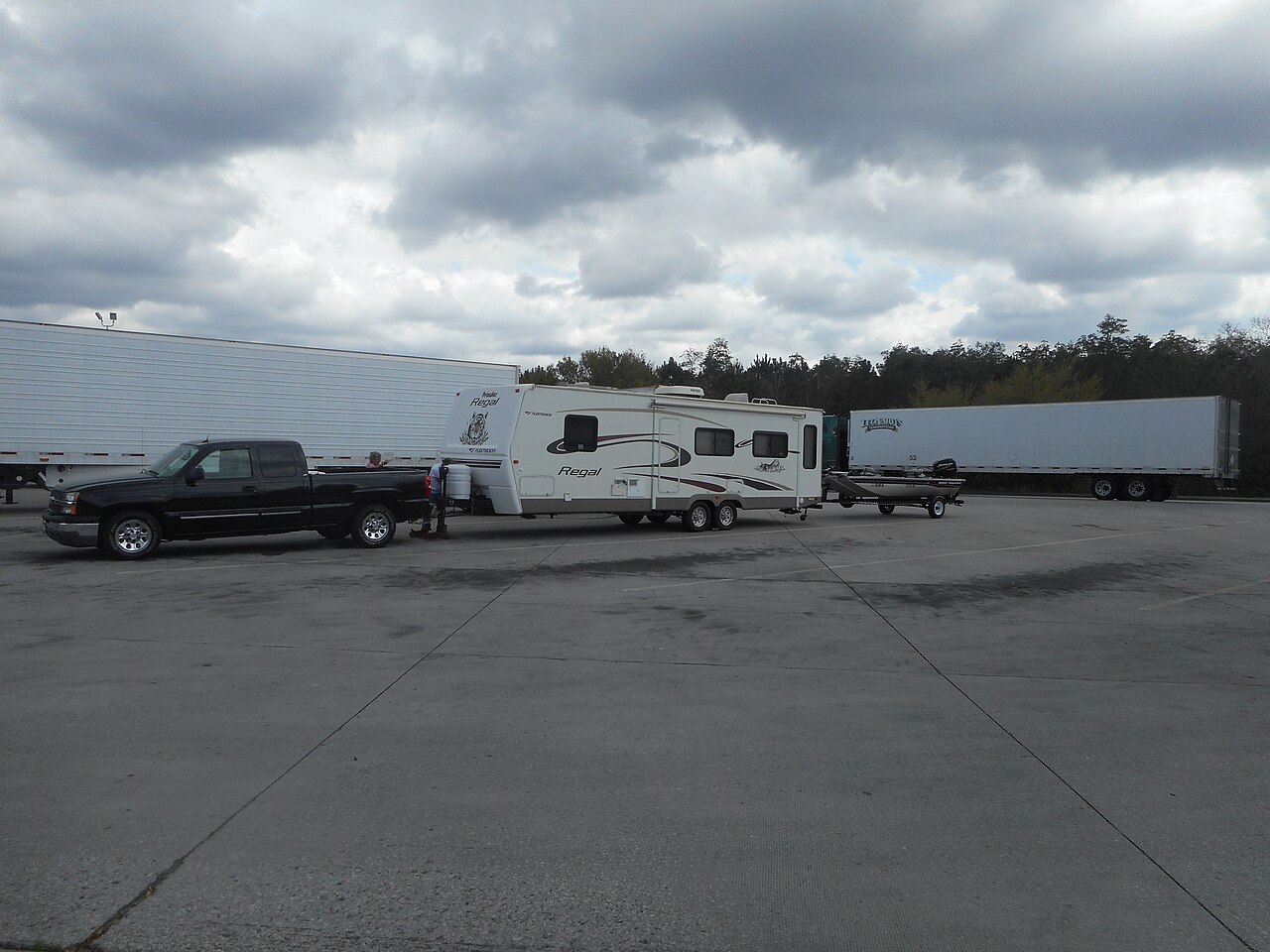
The towing number in a brochure is the maximum for one specific configuration. Major pickup makers have rated their light-duty trucks under SAE J2807, a voluntary industry test procedure that makes tow ratings easier to compare between brands; heavy-duty ratings may not follow it. Your owner's manual and the manufacturer's towing guide remain the final word. Use the trailer's fully loaded weight, not its empty "dry" weight, and make sure the hitch is rated for the load. Trailer brake requirements vary by state, so check with your state motor vehicle agency.
Engines and drivetrain
Engine choices commonly include gasoline engines of different sizes, turbocharged engines, diesel on some models and, increasingly, hybrid or fully electric versions. Larger or diesel engines often allow higher towing ratings and cost more up front.
The axle ratio deserves a line on your list. A towing package may include a specific axle ratio along with upgraded cooling, wiring and suspension, and the same engine can carry a different tow rating depending on that equipment.
Four-wheel drive helps on snow, mud, boat ramps and job sites. It adds cost, and driving with all four wheels engaged uses more fuel because the engine has to work harder. On mostly paved roads in a mild climate, two-wheel drive may be enough.
How to choose the right configuration
Work from your use to the truck, in this order:
- Count riders. If adults ride in back every week, you need a crew cab; if not, an extended or regular cab frees up bed length.
- Measure cargo. Compare your longest regular load with the interior bed length on the spec sheet.
- Weigh the trailer. Use the loaded weight, then find the tow rating for the exact cab, bed, engine and axle combination, plus whether it has a factory towing package and an integrated trailer brake controller.
- Check payload. Read the door placard and subtract passengers, gear and expected tongue weight.
- Pick the trim last. Separate the features that come with the trim from those in optional packages, and confirm whether the configuration has an EPA fuel economy rating.
A truck sized for a once-a-year trip is expensive and awkward the other 51 weeks. Buy for the loads you carry most often, and let the door placard and the towing guide, not the brochure, settle the numbers.