Heating Your Home During a Power Outage: Safe Ways to Stay Warm
Heating your home during a power outage safely: how to hold heat in one room, which backup heat sources work, what never to use indoors, and when to leave.
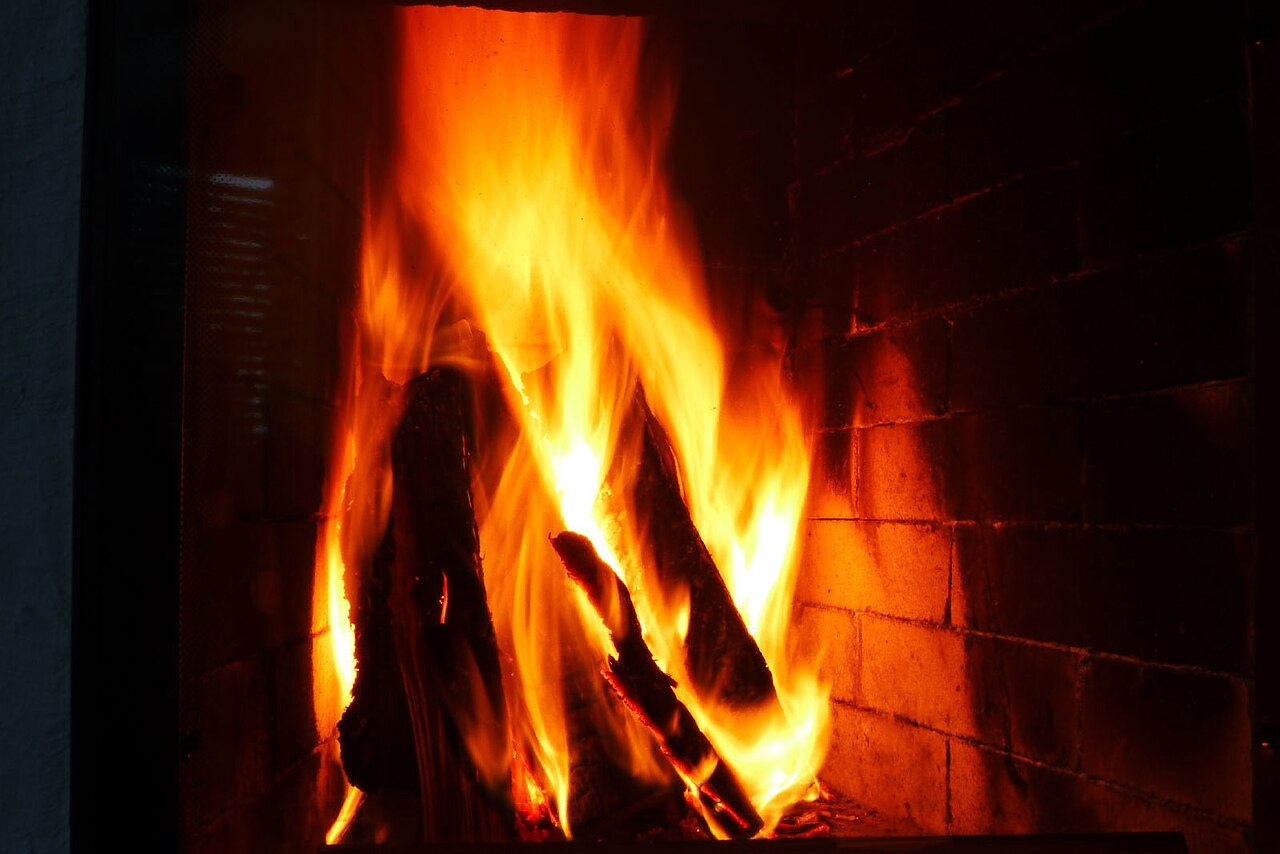
The safest way to heat your home during a power outage is to keep the heat you already have in one closed-off room and add warmth only from sources made for indoor use, such as a vented wood stove or fireplace. The CDC also warns: never heat a home with a gas range or oven, and never run a generator, charcoal grill or camp stove inside, including in a garage with the door open.
Older adults make less body heat than younger people and can slip into hypothermia without ever leaving the house. Start with what costs nothing; if the house keeps cooling, the last section covers when to leave.
Heating your home during a power outage starts with holding heat
A house cools slowly at first. Every hour you keep doors and windows shut buys time. The CDC's winter storm guidance says to keep as much heat as possible inside, close off rooms you don't need, and dress in several layers of loose-fitting clothing rather than one heavy coat.
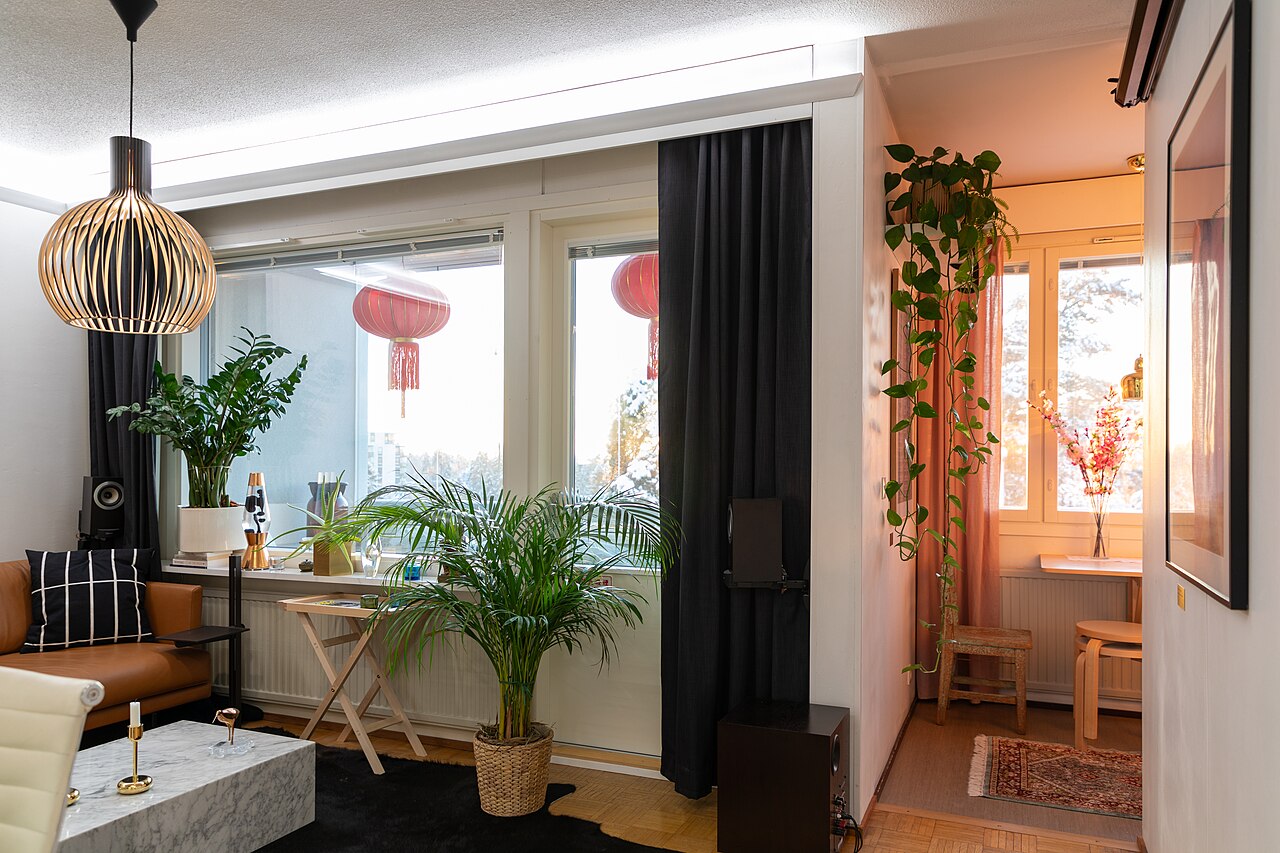
Pick one room to live in, ideally on the side of the house that gets sun and has the fewest windows. Hang blankets over doorways, roll towels against the gaps under doors, and close curtains at night. Open them on the sunny side during the day. Everyone sleeping in the same room, under extra blankets with hats on, holds heat far better than spreading out through the house.
Warm, non-alcoholic drinks help. If someone in the house has heart disease or high blood pressure, the CDC notes that cold weather puts extra strain on the heart, so avoid heavy exertion such as moving furniture or hauling wood in a hurry.
Backup heat sources and the rule for each
| Heat source | OK to use indoors? | The rule that matters |
|---|---|---|
| Wood stove or fireplace | Yes, if code-compliant and vented outdoors | Dry wood only, no paper, chimney inspected before winter |
| Gas log fireplace | Yes, if installed for indoor use | Follow the manufacturer's instructions; keep a CO alarm nearby |
| Kerosene heater | Only where local law allows | Ask your fire department first; burn only 1-K kerosene, never gasoline; refuel outdoors with the heater off and cool; keep it away from anything that burns and run a CO alarm in the room |
| Electric space heater on a generator | Yes, the heater is indoors, the generator is not | Generator 20 feet or more from the house; run one heavy-duty outdoor cord rated for at least the heater's wattage, plug the heater straight into it (no power strip), and keep the usual 3-foot clearance |
| Battery power station | Yes | Small loads only, such as an electric blanket |
| Gas range or oven | No | Never used for heat |
| Grill, camp stove, generator | No | Never inside a home, garage, tent or camper |
The CDC lists a code-compliant fireplace with dry firewood, a gas log fireplace, or a portable or kerosene heater as reasonable backup heat to have ready, and it adds a warning about kerosene: check with your local fire department that kerosene heaters are legal where you live.
Using a fireplace, stove or heater without starting a fire
The Consumer Product Safety Commission (CPSC) estimates that fireplaces and chimneys were involved in an average of 15,400 fires a year from 2020 to 2022, with about 30 deaths a year. Fires start when a chimney is cracked, blocked or coated with creosote, which is why a yearly inspection matters before you need the fireplace in an emergency. Burn only dry, seasoned wood, use a screen, and never leave the fire unattended or go to bed with it roaring.
For space heaters, the CPSC's rule of thumb is three feet: keep the heater at least that far from drapes, furniture, bedding and anything else that burns. Portable heaters were involved in an average of 1,600 fires a year from 2020 to 2022, with about 70 deaths a year, according to the same agency. Never cover a heater, and never leave children alone near one.
For light, the CPSC recommends battery flashlights or lanterns instead of candles. Never leave a burning candle unattended.
What never to use for heat indoors
Carbon monoxide (CO) has no smell or color, and it builds up quickly in a closed house. The CDC's list of things never to use inside a home:
- a gas range or oven, for heat;
- a generator, even with doors and windows open, and even in a garage or basement;
- a charcoal grill, hibachi, camp stove or fuel-burning lantern;
- a car left running in an attached garage.
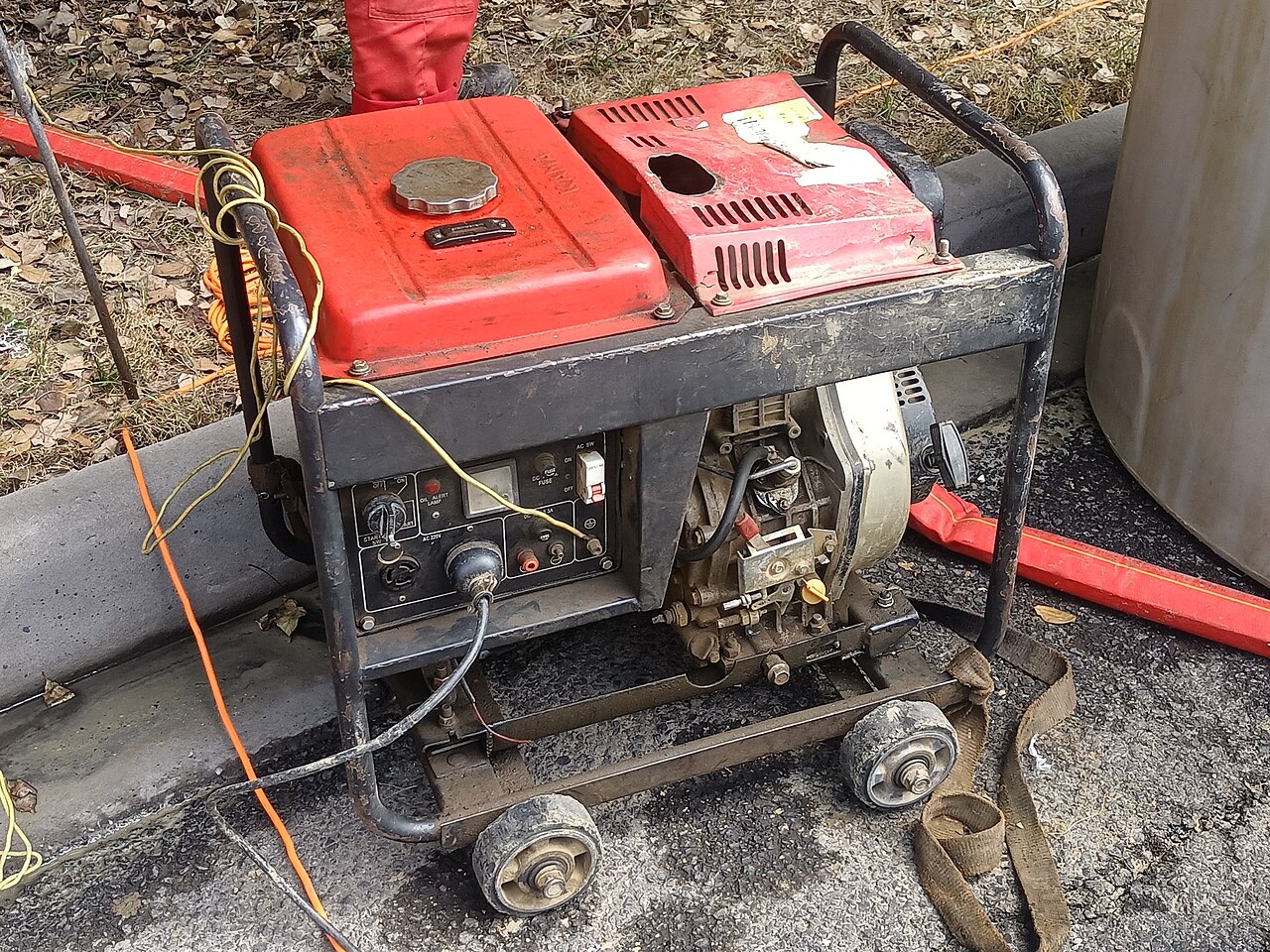
A generator belongs outside, at least 20 feet from the house, with the exhaust pointed away from windows, doors and vents. The CPSC estimates that about 750 people died from CO poisoning linked to generators alone between 2012 and 2022. The CDC also advises keeping vents and flues clear of debris; after a storm, check that snow has not covered the outdoor vents of your furnace, water heater or dryer before they run again.
Carbon monoxide alarms
Use battery-powered CO alarms, or plug-in alarms with battery backup, when running any fuel-burning heat during an outage. The CPSC advises an alarm on every level of the home and outside sleeping areas, and interconnected alarms are best because when one sounds, they all do. Headache, dizziness, weakness, nausea, chest pain and confusion are warning signs. If an alarm sounds or anyone feels ill, get everyone outside to fresh air and call 911 or Poison Control at 1-800-222-1222.
When it is too cold to stay home
The CDC's warning signs of hypothermia in adults are shivering, exhaustion, confusion, fumbling hands, memory loss, slurred speech and drowsiness. If a person's body temperature drops below 95°F, that is an emergency, and they need medical care right away. Older adults are at higher risk because they tend to make less body heat, and the CDC advises anyone over 65 to check indoor temperatures often during extreme cold.
Leaving is a reasonable plan, not a failure. The CDC suggests staying with friends or going to a community shelter when the house becomes dangerously cold. Local officials announce warming centers during long outages, so keep a battery or hand-crank radio and a charged phone to hear about them. If you have an older neighbor living alone, knock on their door or call twice a day while the power is out.
Before the next outage: a checklist
- Have the chimney and any fuel-burning heater inspected before the cold season.
- Put battery-powered or battery-backup CO alarms on every level and outside bedrooms, and test them.
- Stock flashlights, spare batteries, a radio, extra blankets, sleeping bags, hats and warm socks for everyone.
- Store dry firewood if you have a fireplace or stove, and ask the fire department about kerosene before buying a heater.
- If you own a generator, pick its outdoor spot now, at least 20 feet from the house, and buy a heavy-duty outdoor extension cord long enough to reach and rated for what you will plug into it.
- Choose the one room you will heat and gather the blankets and towels to seal it.
- Write down where you would go if the house gets too cold, and the phone numbers you'd need to get there.
Holding heat in one room keeps most households comfortable through a short outage. If the house keeps getting colder, the safe choice is to move to a warmer place, never to bring a grill, generator or open oven inside.