Mobile Home Repair Assistance: Programs, Rules and How to Apply
Mobile home repair assistance explained: USDA Section 504, weatherization, LIHEAP, HUD Title I loans, the land and foundation rules, and how to apply.
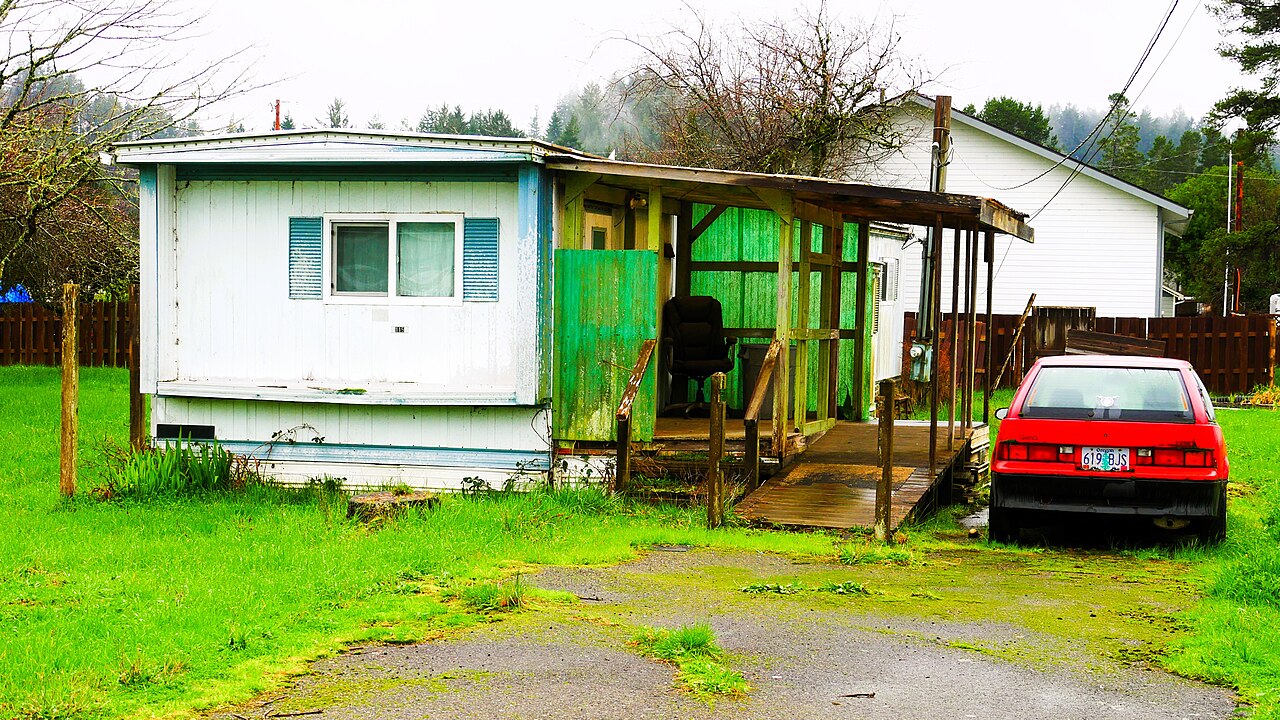
Mobile home repair assistance exists, but the biggest federal program has a catch. USDA's Section 504 repairs a mobile or manufactured home only when the owner also owns the land, already lives there, and the home is on a permanent foundation or will be put on one with the repair money. Owners who rent a lot in a park can still turn to weatherization, energy assistance and small HUD-insured loans.
Four facts decide which door to knock on first: who owns the land, whether the home is on a foundation, your income, and the home's age.
Mobile home repair assistance: where the help comes from
Each source of help pays for a different kind of work. Some only fix health and safety hazards, some only cut energy use, and one is a loan rather than a grant. Many owners can combine two of them, for example weatherization and a local repair program.
| Source | Run by | When it fits a mobile home | Typical work |
|---|---|---|---|
| Section 504 Home Repair | USDA Rural Development | Rural area, very low income, you own the home and the land, permanent foundation | Health and safety repairs; loans can cover wider repairs |
| Weatherization Assistance Program | DOE funds, state and local agencies run it | Income-qualified owners and renters, in parks or on private land | Insulation, air sealing, heating system work |
| LIHEAP | HHS funds, states run it | Income-qualified households | Mainly heating and cooling bills; part of the money can go to energy-related repairs |
| HUD Title I property improvement loan | Private lenders approved by FHA | Owners who can repay a small loan | Any improvement that makes the home more livable |
| Local and nonprofit programs | Cities, counties, Area Agencies on Aging, repair charities | Set locally | Roofs, ramps, floors, accessibility |
Why the land and the foundation matter
A mobile home sitting on rented ground is treated differently from one on land the owner holds. USDA's handbook for the Section 504 program lists three conditions for repairing a mobile or manufactured home. The applicant must own the home and the site and have lived in the home before applying. The repairs have to remove health or safety hazards. The home must be on a permanent foundation, or Section 504 money can be used to put it on one. USDA's handbook counts blocks or piers as a permanent foundation when the home has skirting and is anchored with tie-downs.
The same handbook also says Section 504 funds cannot be used to move a mobile or manufactured home from one site to another. So if the plan is to relocate an older home to family land, the move itself has to be paid for some other way.
Programs that focus on energy use are less strict about the land. Weatherization agencies serve renters as well as owners, and for a renter the local provider gets the landlord's permission before work starts.
USDA Section 504 for manufactured homes
Section 504 serves owners in eligible rural areas whose household income falls under the very low-income limit for their county. Loans can repair, improve or modernize the home. Grants are only for owners aged 62 and older and only for removing health and safety hazards, such as a failing roof, unsafe wiring or a broken furnace.
In late 2026, USDA's program page listed loans of up to $40,000 at a fixed 1% rate for 20 years and grants of up to $10,000, with a combined limit of $50,000 for owners who qualify for both. A grant must be repaid if the home is sold within three years. Funding depends on what is available in each area, so a local Rural Development office is the place to ask about current limits and waiting times.
An appraiser or inspector looks at the home itself. The handbook says Section 504 money cannot go into a dwelling that would still have major hazards after the repairs, so a home in very poor condition may not qualify even when the owner does.
Weatherization and energy bill programs
The Weatherization Assistance Program is funded by the Department of Energy and run by state and local agencies. Income rules for weatherization are covered in our guide to home repair assistance for seniors; for a mobile home, what matters is that renters of a lot can apply too.
DOE has put out training material just for weatherizing mobile homes, with separate chapters on the underside of the home (the "belly"), the walls, the roof and the heating system.
LIHEAP, the federal energy assistance program, mostly helps with heating and cooling bills. Federal law lets each state put up to 15% of its LIHEAP money toward weatherization and energy-related repairs, or up to 25% with a federal waiver. Some states use it for heating emergencies: Massachusetts, for example, runs a heating system repair and replacement program called HEARTWAP for households that qualify for LIHEAP heating help.
Loans when grants don't fit
HUD's Title I program insures home improvement loans made by approved private lenders. Federal rules cap a Title I property improvement loan at $7,500 for a manufactured home classified as personal property. A manufactured home that counts as real property can borrow up to $17,500. These are real loans with interest and monthly payments, so they suit an owner who has some income but no savings for a repair.
Your county tax or title office can tell you whether the home is recorded as personal property or real estate, which decides the limit.
Paperwork that proves what your home is
Lenders and programs often ask when and how the home was built. HUD began regulating manufactured home construction on June 15, 1976, under what is called the HUD Code. Homes built since then carry a certification label, a small metal plate fixed at the taillight end of each transportable section, separate from the data plate inside the home.
Keep both if you still have them. A double-wide should have two labels, one per section. Homes built before mid-1976 predate the HUD Code and have no such label.
If a newer home has a construction or installation defect, a different route applies. HUD's Manufactured Home Dispute Resolution Program handles defects reported within one year of the first installation, to the manufacturer, retailer, installer, a state agency or HUD. It is not a warranty and does not cover cosmetic or minor problems, but it gives the owner a formal way to settle who must fix a serious defect.
Next steps for mobile home owners
- Write down the facts that decide eligibility: whether you own the land, whether the home is on a permanent foundation, the year it was built, and the household's total income.
- Make a short list of the repairs ranked by safety: roof leaks, electrical problems, heating failures, soft floors and broken steps come first.
- If you live in a rural area and own the land, contact the nearest USDA Rural Development office about Section 504.
- Apply to your state weatherization agency whether you own the land or rent a lot, and ask the LIHEAP office whether it funds heating repairs this season.
- Call your Area Agency on Aging through the Eldercare Locator or at 1-800-677-1116 and ask about local repair, ramp and home modification programs.
- For a home installed less than a year ago, report defects in writing so you have a dated record.
The owner who owns the land under a mobile home on a foundation has the widest set of options. Everyone else can still get energy and safety work done by applying to weatherization, energy assistance and local programs at the same time.
Sources and further reading
- Single Family Housing Repair Loans & Grants (Section 504) — USDA Rural Development
- How to Apply for Weatherization Assistance — U.S. Department of Energy
- Manufactured Home Dispute Resolution Program — HUD
- 24 CFR 201.10, Title I loan amounts (2025 edition) — GovInfo
- LIHEAP Fact Sheet — Administration for Children and Families