Snow Removal Help for Seniors: Programs, Hired Help and Costs
Snow removal help for seniors: city volunteer programs, Area Agencies on Aging, Medicaid chore services, what drives the cost of hired help, and safety.
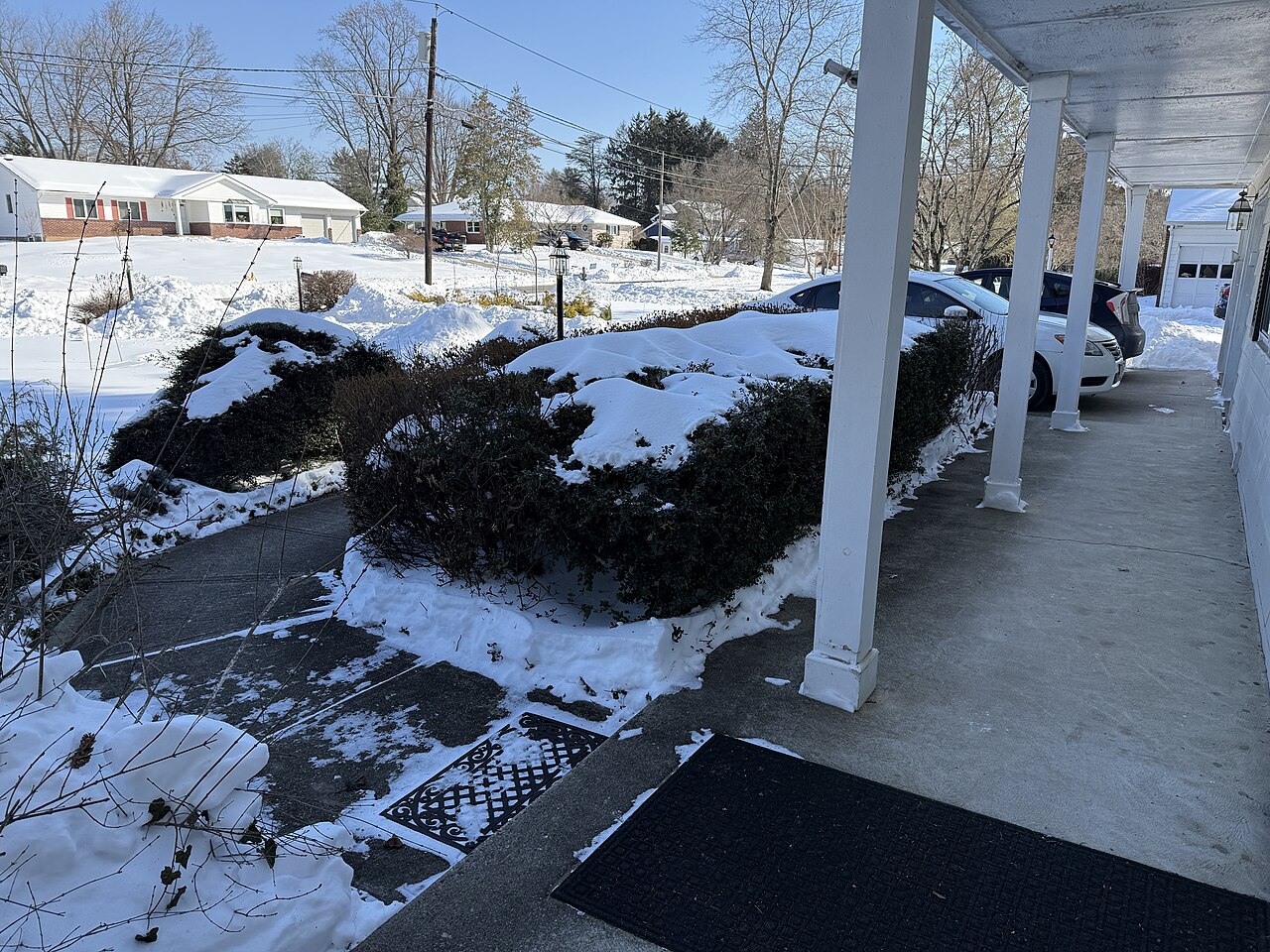
Snow removal help for seniors is mostly local: city and volunteer programs, Area Agencies on Aging, and in some states Medicaid chore services. Aurora, Illinois, for example, clears walkways and driveways for residents over 60, and residents with disabilities, after a snowfall of 2 inches or more. The city says to expect the work within 48 hours of a qualifying snowfall, but spots are limited and registration must be renewed each season.
Where no program fits, the choice comes down to a neighbor, a hired service or doing it yourself with care. Settle it before the first big storm, while programs are still taking names.
Why snow removal help for seniors matters
Shoveling is heavy work done in cold air, which strains the heart. A study of emergency room data from 1990 to 2006, published in the American Journal of Emergency Medicine, estimated about 11,500 snow shovel-related ER visits a year in the U.S. Most were strains, back injuries and falls. Cardiac problems made up 6.7% of visits but accounted for every death in the study, and people 55 and older were 4.25 times as likely as younger people to have heart-related symptoms while shoveling.
The CDC notes that cold weather puts extra strain on the heart and advises people with heart disease or high blood pressure to follow their doctor's advice about shoveling. For an older adult, handing the job to someone else is often the safer choice.
Where to find help
City and volunteer programs
Some cities run their own programs or match residents with volunteers. Evanston, Illinois, now in the tenth year of its program, gives seniors and residents with disabilities a list of volunteers in their area; the resident contacts a volunteer directly, and no money or goods are supposed to change hands. Programs like these often have limits: they may clear only walkways, wait for a set snow depth, or close registration once they have enough requests. Call 311 or your city hall in the fall to ask what exists where you live.
Churches, service clubs and neighborhood groups sometimes organize shoveling too; with informal help, agree in advance on who calls whom when snow is forecast.
Area Agencies on Aging
Area Agencies on Aging coordinate in-home help for older adults, and some offer or fund chore services, which can include heavy outdoor work. Availability depends on the county and on funding. You can reach your local agency through the Eldercare Locator or by calling 1-800-677-1116.
Medicaid chore services
People who already qualify for Medicaid home and community-based services may be able to get snow removal as a chore service, depending on the state. North Dakota's policy manual, for example, lists snow and ice removal as a chore task when measurable snowfall or drifts present a safety hazard to the person. Other states write the rules differently, and Minnesota's guidance excludes chores that a landlord is responsible for under a lease. A case manager or the state Medicaid agency can say whether the service is available in your plan.
Hiring help: what drives the cost
Prices for plowing and shoveling are set locally and swing with each winter, so no single national figure is reliable. What you pay depends on the size and slope of the driveway, whether walks and steps are hand-shoveled, whether salt or ice melt is included, how much snow falls, and how fast you need the work done. The type of arrangement also changes what you pay over a winter.
| Arrangement | How you pay | Works best when | Watch for |
|---|---|---|---|
| Per visit | A set price each time they come | Light-snow areas with few storms a year | Extra charges for deep snow or ice |
| Seasonal contract | One price for the whole winter | Snowy areas with frequent storms | Caps on visits, refund terms in a mild winter |
| Per inch or per storm | Price rises with snowfall | Owners who want to pay for what falls | Hard to budget; read the depth bands |
| Neighbor or student | Agreed informally | Short walks and small driveways | Who covers when they are away or sick |
Before you sign, get the terms in writing. A useful contract states the trigger depth (for example, service starts at 2 inches), how soon after the snow stops they arrive, what is cleared (driveway, walks, steps, the path to the mailbox), whether salt is included, and whether the company carries liability insurance. Ask how they handle drifts and the heavy ridge a city plow leaves at the end of the driveway.
Clearing the sidewalk may be your legal duty
City codes often make property owners responsible for clearing the public sidewalk next to their homes. New York City is a clear example: owners must clear a path at least four feet wide within 4 hours if the snow stops between 7 a.m. and 4:59 p.m., within 14 hours if it stops in the evening, and by 11 a.m. if it stops overnight. Fines start at $100 for a first offense and rise for repeat violations.
Rules in your town may be stricter or looser, so check your city's code or call its public works department. If you rent, the lease or local law may put the job on the landlord.
If you clear snow yourself
If you are healthy enough and your doctor agrees, a few habits reduce the risk:
- work slowly and take breaks, since ready.gov warns that overexertion while shoveling can bring on a heart attack;
- dress in layers and stop before you sweat heavily, as the CDC advises;
- clear in several rounds during a long storm, while the snow is lighter;
- spread salt or sand on steps and the path to the car.
Snow blowers bring their own hazards. The Consumer Product Safety Commission counted over 4,200 snow blower-related injuries treated in emergency rooms in 2021. Turn the machine off and use a cleanout tool or a stick, never your hands, to clear a clogged chute, and never run a gas snow blower in a closed garage, because its exhaust contains carbon monoxide.
After a storm, check that drifting snow hasn't covered the outdoor vents for your furnace, water heater or dryer.
How to choose the right kind of snow help
- Ask your city, through 311 or city hall, whether it runs a senior or disability snow program, and register in the fall.
- Call your Area Agency on Aging and, if you receive Medicaid home care services, your case manager about chore help.
- Measure the job: driveway length, number of steps, the public sidewalk you are responsible for.
- Get two or three written quotes for the arrangement that fits your winters, and compare what each one clears and when.
- Line up a backup, such as a neighbor who can clear a path to the door if the service is late.
A volunteer program or chore service is the first place to look for those who qualify, and a written agreement with a reliable service fills the gap for everyone else. Either way, make the calls in the fall, before the first forecast.
Sources and further reading
- Operation Senior Shovel — City of Aurora, Illinois
- Snow shovel-related injuries and medical emergencies treated in US EDs, 1990 to 2006 — PubMed
- Snow and Ice Removal from Sidewalks — NYC Department of Sanitation
- Safety Guidelines: During and After a Winter Storm — CDC
- Cozy Up to Winter with These CPSC Safety Tips for Outdoor Activities — CPSC