Energy-Saving Space Heaters: Do They Really Lower Your Bill?
Do energy-saving space heaters cut your bill? What a 1,500-watt heater costs per hour, when zone heating saves money, and how to read savings claims.
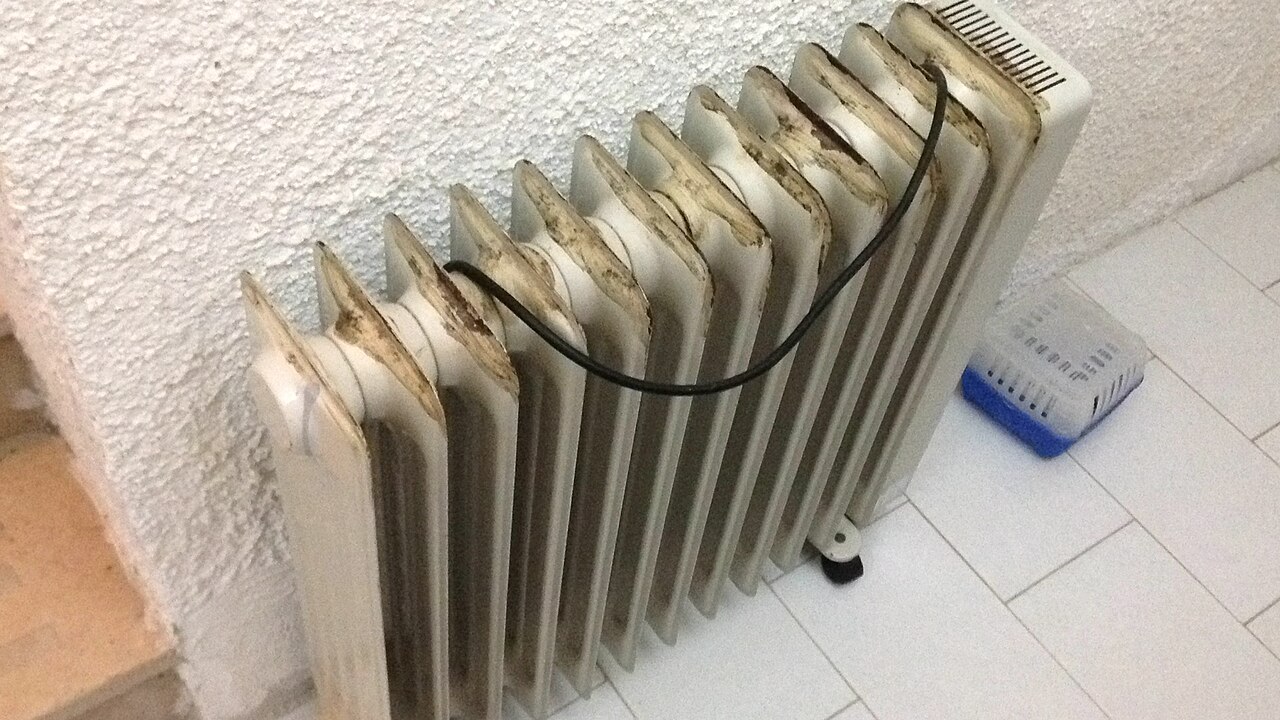
An "energy-saving" space heater lowers your bill only if you turn down the central heat and warm just the room you are in. Every plug-in electric resistance heater turns essentially all of its electricity into heat, so a 1,500-watt model uses 1.5 kilowatt-hours for each hour it runs on high, which came to about 26 cents an hour at the 2025 U.S. average residential electricity price of 17.30 cents per kilowatt-hour.
The label, the shape and the price of the heater change how the warmth feels and spreads. They do not change how much electricity it takes to make it.
How energy-saving space heaters use electricity
A ceramic heater, an oil-filled radiator and an infrared "quartz" heater all work on the same principle: electric current runs through a resistance element and turns into heat. The Missouri Department of Natural Resources notes in its consumer guide that all electric resistance heaters are considered 100% efficient, because no heat is lost through ducts or combustion.
That is why claims of a "miracle" heater don't hold up. If two heaters both draw 1,500 watts, both deliver the same amount of heat per hour. What differs is how they deliver it. A fan-forced ceramic heater warms the air quickly and spreads it around. An oil-filled radiator heats up slowly and keeps radiating after the element cycles off. An infrared heater warms the people and objects in front of it, which feels fast at close range but does little for the far side of a room.
Utility worksheets list a typical plug-in space heater at 1,500 watts, and models with a low setting draw less. A thermostat that cycles the heater off once the room is warm is the feature that actually cuts running time.
What a space heater costs to run
Cost depends on wattage, hours and your local rate. The table uses the U.S. Energy Information Administration's preliminary 2025 average residential price of 17.30 cents per kilowatt-hour. Rates vary widely by state and utility, so swap in the price per kWh from your own bill.
| How you use it | Electricity used | Cost per day | Cost per 30 days |
|---|---|---|---|
| 1,500 W, 1 hour | 1.5 kWh | about $0.26 | about $8 |
| 1,500 W, 4 hours a day | 6 kWh | about $1.04 | about $31 |
| 1,500 W, 8 hours a day | 12 kWh | about $2.08 | about $62 |
| 750 W low setting, 8 hours a day | 6 kWh | about $1.04 | about $31 |
These figures assume the heater runs nonstop for those hours. One with a working thermostat will cycle off part of the time and use less.
When a space heater actually saves money
The math works when a small heated room replaces a large heated house. The math has two sides. Lower the central thermostat a few degrees and heat only the room you use, and you will probably save money. Leave the thermostat where it is and run a space heater on top, and your total bill goes up.
That makes space heaters a good fit for a few situations:
- one person who spends most of the day in a single room;
- a cold home office or bedroom at the end of a long duct run;
- a house heated by oil or propane, where turning the furnace down saves fuel bought by the gallon.
They are a poor fit as the main heat for a whole house. The Missouri guide notes that heating an entire home with electric resistance is generally more expensive than options such as a natural gas furnace or a heat pump, and several heaters at once can overload household circuits. If a breaker trips when the heater runs, have an electrician check the circuit rather than moving the heater to another outlet and hoping.
Before buying a heater at all, seal drafts with caulking and weatherstripping around doors and windows, and change the furnace filter. And where a larger efficiency upgrade is on the table, a heat pump is the electric option that beats resistance heat outright: ENERGY STAR says an air-source heat pump can deliver up to three times more heat energy than the electricity it consumes.
Safety comes with the savings
The Consumer Product Safety Commission estimates that portable heaters were involved in an average of 1,600 fires a year from 2020 to 2022, with about 70 deaths and 150 injuries a year. Its basic rules:
- Keep the heater at least three feet from drapes, furniture, bedding and anything else that can burn.
- Plug it directly into a wall outlet, never into an extension cord or power strip.
- Turn it off when you leave the room or go to sleep.
- Set it on a level, hard surface that won't burn, not on a rug.
- Choose a model certified by a nationally recognized testing laboratory; tip-over and overheat shutoff are features worth having.
Gas or kerosene space heaters are a separate case. They burn fuel indoors, so a gas space heater should never run in a room without a working carbon monoxide alarm.
Questions to ask about any heater that promises savings
- What is its wattage on high and low? If it is 1,500 watts, it costs the same per hour as any other 1,500-watt heater.
- Does it have an adjustable thermostat, or does it only switch on and off?
- Is the savings claim based on turning down the central heat? If the seller doesn't say, the claim leaves out the part that does the saving.
- Which testing laboratory certified it, and does it have tip-over and overheat protection?
- Does the room it will heat match its output? A 1,500-watt heater fits one room, not an open floor plan.
- What does the return policy say if the electric bill goes up instead of down?
A space heater is a tool for heating less of your house, not a cheaper way to make heat. Used in one room with the thermostat turned down and the safety rules followed, it can trim a winter bill; used on top of central heat, it only adds to it.
Sources and further reading
- Electricity explained: Prices and factors affecting prices — U.S. Energy Information Administration
- Keep Warm and Safe This Winter: Tips for Using Generators, Furnaces and Space Heaters — CPSC
- Electric Space Heaters fact sheet — Missouri Department of Natural Resources
- Air-Source Heat Pumps — ENERGY STAR