Home Repair Assistance for Seniors: Grants, Loans and Who Qualifies
Home repair assistance for seniors in the U.S.: USDA Section 504 grants and loans, weatherization, local and nonprofit programs, who qualifies and how to apply.
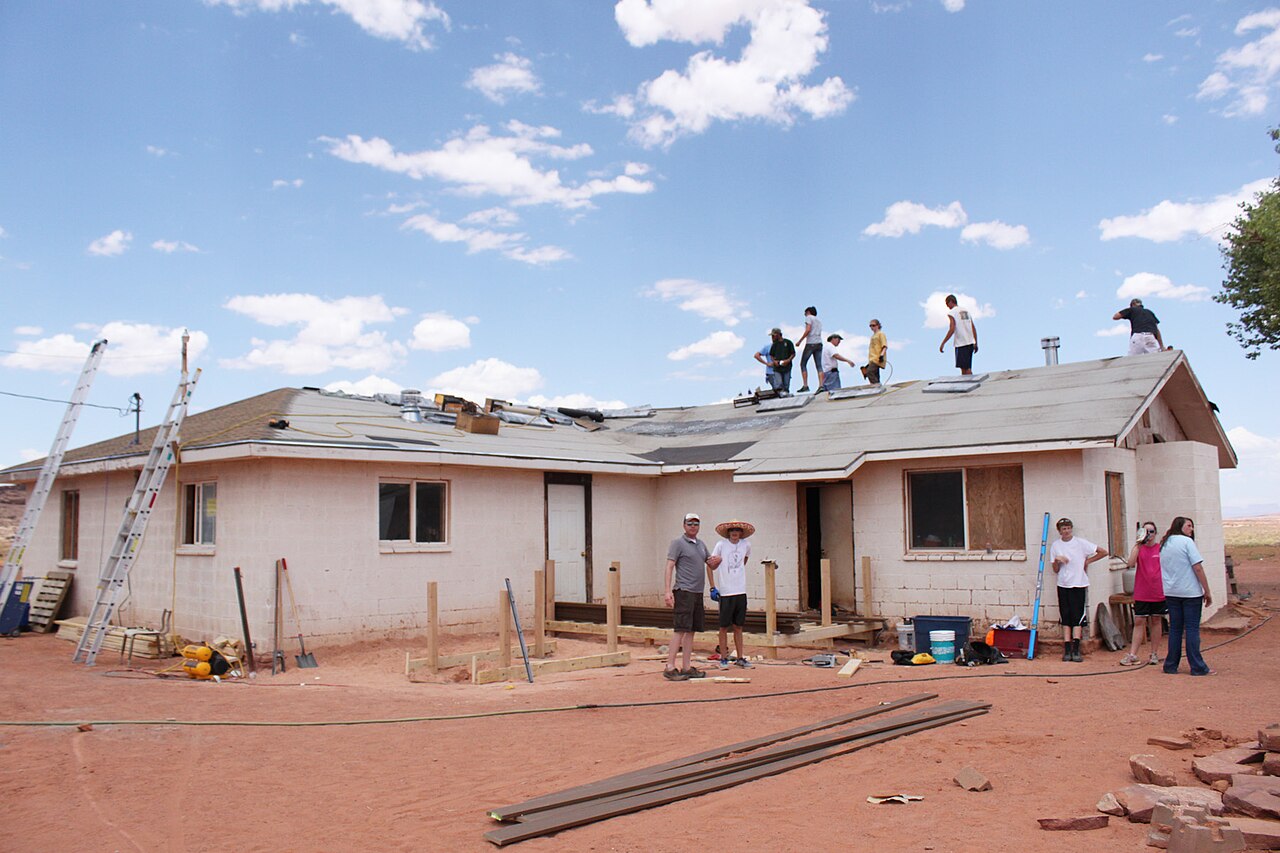
The federal program most directly aimed at home repair assistance for seniors is USDA Section 504, which offers grants of up to $10,000 to homeowners aged 62 and older with very low incomes in eligible rural areas. Most other help comes through state weatherization agencies, city and county housing departments, Area Agencies on Aging and nonprofit repair groups, each with its own rules.
For an older homeowner on a fixed income, one failing roof or furnace can upset the whole budget, and small changes such as grab bars or a ramp can decide whether staying at home is safe. Help is real but limited: most programs depend on income and location, and many have waiting lists.
Home repair assistance for seniors: grants, loans and volunteer help
Assistance usually takes one of four forms. Grants do not have to be repaid, but they are small, tied to specific health and safety repairs and reserved for low-income households. Low-interest or deferred loans cover larger jobs, and some only come due when the home is sold. Volunteer programs run by nonprofits do repairs at low or no cost to the owner. Weatherization programs focus on insulation, air sealing and heating repairs that cut energy bills.
Some programs also pay for accessibility changes such as ramps, grab bars and safer steps, since these help people age in place. Ask about them by name; they are not always listed on a program's front page.
Programs at a glance
| Program | Run by | Who it serves | What it covers | Where to ask |
|---|---|---|---|---|
| Section 504 Home Repair | USDA Rural Development | Low and very low income owners in eligible rural areas; grants only for age 62+ | Loans for repairs and upgrades; grants for health and safety hazards and accessibility | Local USDA Rural Development office |
| Weatherization Assistance Program | Funded by DOE, run by state and local agencies | Income at or below 200% of federal poverty guidelines, or SSI recipients; owners and renters | Insulation, air sealing, heating system repairs | State weatherization agency |
| Local repair programs (CDBG, HOME funds) | Cities and counties with HUD funding | Set locally, often by share of area median income | Varies: roofs, accessibility, code repairs | City or county housing or community development office |
| Area Agency on Aging services | Local aging agencies | Older adults | Referrals; in some areas home modification or chore help | Eldercare Locator |
| Nonprofit repair programs | Habitat for Humanity affiliates, Rebuilding Together and similar groups | Usually low-income owners | Repairs and safety modifications, often done by volunteers | Local affiliate |
How the two federal programs work
USDA Section 504
USDA's Single Family Housing Repair program serves homeowners with low or very low incomes in eligible rural areas who own and live in the home and cannot get affordable credit elsewhere. Loans can repair, improve or modernize a house. Grants are limited to owners aged 62 and older with very low incomes and can be used to remove health and safety hazards or to make the home accessible for a household member with a disability.
As of late 2026, USDA lists a maximum loan of $40,000 at a fixed 1% interest rate over 20 years and a lifetime grant limit of $10,000. A loan and a grant can be combined for up to $50,000, and the grant must be repaid if the home is sold within three years. Applications are accepted year-round through local Rural Development offices, but approval depends on how much money is available in your area. Income limits and eligible areas are set by county and change over time.
Weatherization Assistance Program
The Department of Energy funds weatherization, and state and local agencies run it. Households at or below 200% of the federal poverty guidelines, or receiving Supplemental Security Income, can get energy improvements; some states use a different income test tied to energy bill assistance. Older adults are among the priority groups, along with people with disabilities, families with children and households with high energy costs. Renters can apply too; the local provider gets the landlord's permission before work starts. DOE does not take applications from individuals, so you apply through your state agency; ask whether the same application also covers energy bill assistance.
Outside these two, HUD funds local programs through Community Development Block Grant and HOME money, and USAGov notes that HUD Title I property improvement loans can pay for repairs. Rules for local programs vary so much that the city or county housing office is the only reliable place to ask.
Who qualifies
Each program sets its own rules, but most weigh the same things:
- You own the home and live in it as your main residence.
- Household income falls below a set limit, often a share of the area's median income.
- You meet an age threshold, commonly 60 or 62, or have a disability, for programs reserved for those groups.
- The home sits in the county, city or rural area the program covers.
- The repair affects health or safety. A leaking roof, unsafe wiring or a broken furnace gets priority over cosmetic work.
Watch for offers that sound too good
The federal government does not give individuals "free money" for home repairs, and USAGov warns that offers promising it are often scams. Real programs do not charge an upfront fee to "guarantee" a grant, and government agencies do not knock on doors to sell repairs. Be wary of anyone who pressures you to sign quickly, asks you to sign over your deed or wants a large cash payment before work starts. When in doubt, call the program at a number listed on its official website.
Next steps
- Gather the papers most programs ask for: proof of ownership, proof of income for everyone in the household, photo ID, and recent property tax and homeowner's insurance statements.
- Call your Area Agency on Aging, which you can find through the Eldercare Locator, and ask which repair and home modification programs are open now.
- Call your city or county housing department about local repair programs and your state weatherization agency about energy work.
- If you live in a rural area, contact the nearest USDA Rural Development office about Section 504.
- Ask each program about waiting lists, timelines and whether it sends its own contractor, and keep a log of names, dates and answers.
- Apply to more than one program. Funding is limited and some programs open only at certain times of year.
Help with home repairs for older owners exists but is local and limited, so the people who get it are usually the ones who apply early and to several programs at once.