Roof Replacement Cost: What Changes the Price and How to Compare Quotes
Roof replacement cost explained: roofing squares, pitch, tear-off, deck repairs, materials and permits, plus the questions to ask before choosing a roofer.
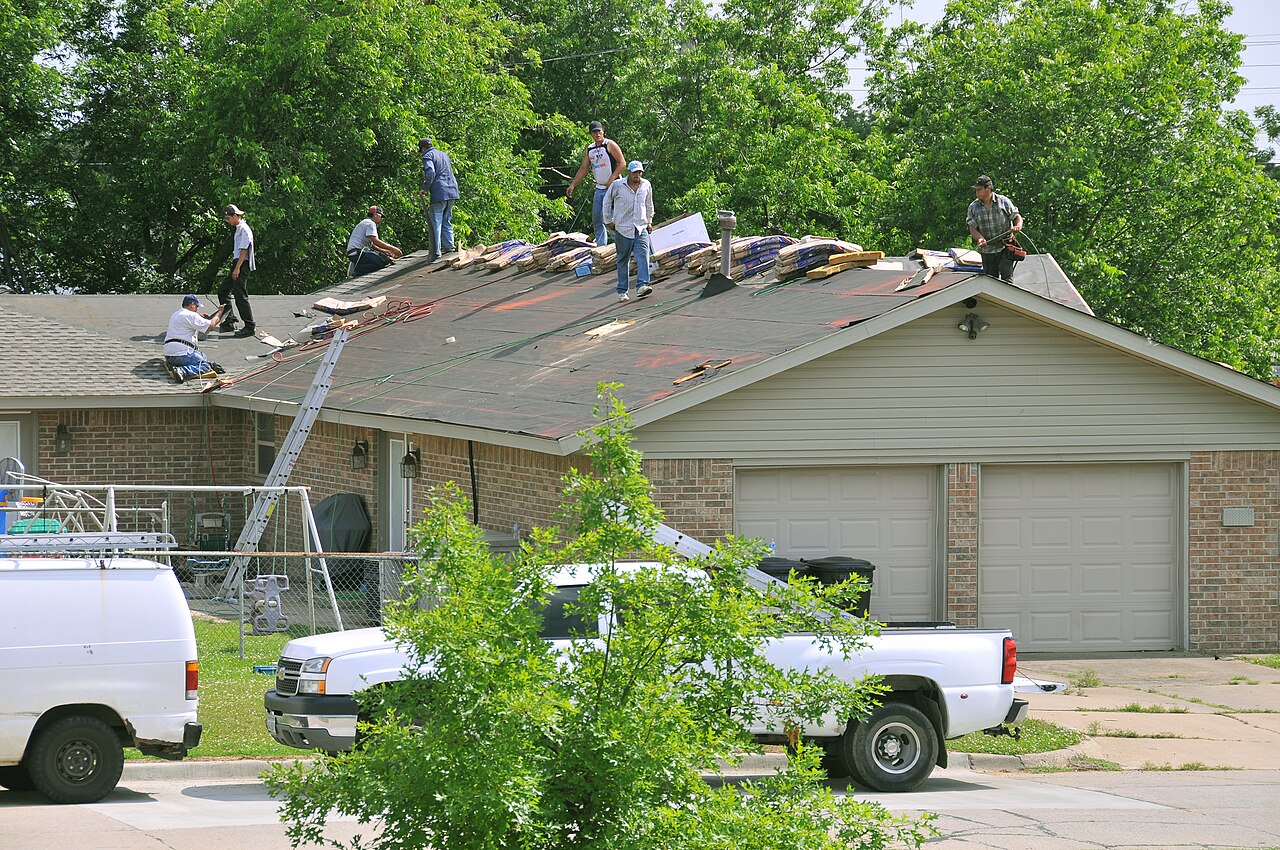
Roof replacement cost is figured by the "square," a unit of 100 square feet of roof surface, so the first number on any quote is how many squares your roof has. That count is almost always higher than the floor area of the house, because slope and overhangs add surface, and the price per square then rises or falls with pitch, tear-off, deck repairs and the material you pick.
Exact prices swing by region, season and material, which is why two quotes for one house can be far apart. Most of that gap comes from scope: one contractor may plan a full tear-off and new flashing while another prices a second layer over the old one. Reading a quote line by line shows which is which.
What drives roof replacement cost: size, shape and pitch
Shape matters as much as size. A simple roof with two flat planes is quick to cover. A roof with many valleys, dormers, skylights and chimneys needs more cutting, more flashing and more labor. Steep roofs also take longer, because crews need extra safety equipment and cannot move around as freely. Two houses with the same floor area can end up with very different roofing bills.
Tear-off or a second layer
A major early decision is whether to remove the old roofing completely or install new shingles over the existing layer. An overlay skips the labor and disposal cost of the tear-off, so it is often cheaper at first.
There are limits, though. The model International Residential Code, which many local building codes are based on, does not allow a new layer over a roof that already has two or more layers, or over roofing that is water-soaked or badly deteriorated. A tear-off also lets the crew see and repair the deck underneath, which an overlay hides. Your local building department decides which version of the code applies where you live.
What is under the shingles
The roof deck
The deck is the layer of plywood or boards that the roofing is nailed to. If parts of it are rotted or soft, they must be replaced before new roofing goes on. Because no one can see the deck until the old roof is removed, many contracts list a price per sheet for any replacement. Check that this price is written down so there are no surprises later.
Underlayment, flashing and ventilation
Underlayment is the protective layer between the deck and the shingles. In colder areas, local code may require an ice barrier along the eaves to protect against water backing up behind ice dams. Flashing seals the joints around chimneys, walls and vents, and new flashing is often recommended rather than reusing old metal. Roof vents and ridge vents help control heat and moisture in the attic, and poor ventilation can shorten the life of the new roof.
Roofing materials and upgrades
The material sets the price per square and how long the roof lasts.
| Material | Upfront cost | What to know |
|---|---|---|
| Asphalt shingles | Usually the lowest | Most common choice; quality grades vary |
| Metal panels or shingles | Higher | Long-lasting; installation skill matters |
| Wood shingles or shakes | Higher | Need more maintenance; check fire rules |
| Clay, concrete or slate tile | Highest | Very heavy; the structure must support it |
Color can matter too. Light-colored or reflective "cool roof" products stay cooler in the sun. According to ENERGY STAR, they tend to save the most energy in hot, sunny climates on buildings with little roof insulation.
In areas exposed to hurricanes, high wind or hail, some contractors offer installation to the FORTIFIED Roof standard from the Insurance Institute for Business & Home Safety (IBHS). Its main requirements: the roof deck is attached with ring-shank nails in an enhanced pattern and sealed against water, and the edges get a wider drip edge and a fully adhered starter strip. Those steps add material and labor, so ask for them as a separate line if you want to compare.
Permits, debris and site conditions
Local building departments commonly require a permit for a full roof replacement, though some exempt like-for-like reroofing, so check with your local building department. When a permit is needed, the fee is often built into the quote. Disposal of old roofing is another line item, since tear-off debris is heavy and dumpster fees vary by location. Houses with steep lots, tight access, landscaping close to the walls or nearby power lines can take longer to work on. Ask whether cleanup, including a magnetic sweep for loose nails, is part of the price.
Questions to ask a roofer about the quote
Get written estimates from at least three contractors, licensed where your state requires it, each based on an inspection of your roof. The Federal Trade Commission recommends a written estimate that spells out the work, the materials, the completion date and the price, and it advises against choosing on price alone. Put the same questions to every contractor:
- Is this a full tear-off or an overlay, and how many layers are on the roof now?
- How many squares did you measure, and does that include waste for cuts and valleys?
- What is the price per sheet if deck boards need to be replaced?
- Which underlayment, ice barrier, flashing and vents are included, and is any old flashing being reused?
- Who pulls the permit, and is the fee in the price?
- What do the manufacturer's warranty and your workmanship warranty each cover, and for how long?
- Can I see proof of liability and workers' compensation insurance?
- What is the payment schedule, and when is the final payment due?
- If I want a FORTIFIED roof, are you trained for it, and would my insurer offer a discount for the designation?
Do not pay the full amount up front or in cash. After a storm, be careful with contractors who knock on doors, push you to sign the same day or offer to handle your insurance claim for you. If the damage came from a storm, call your insurance company first and keep copies of photos, estimates and the signed contract.
The quote worth taking is the one whose scope you can read line by line, from the number of squares to the warranty, even when another total looks lower.